



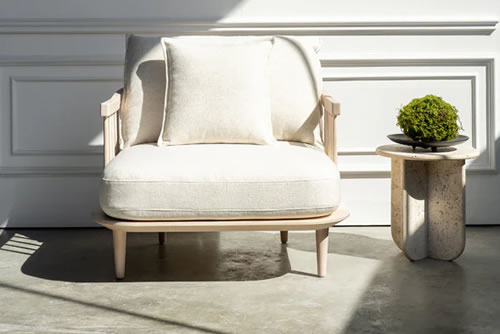
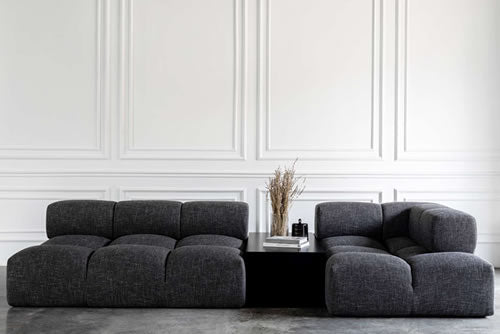




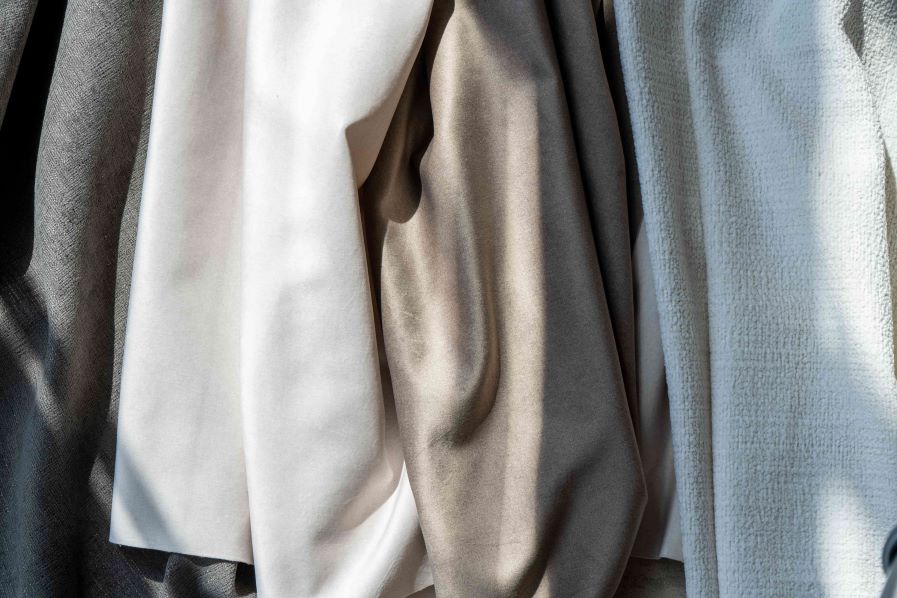


For most Dubai homes, a solution-dyed performance fabric or a tightly woven linen-cotton blend is the safest long-term choice. Both resist fading from strong sunlight, cope well with air-conditioned dryness, and clean up easily after everyday use. Velvet and leather can work too, but only in the right room, with the right expectations.
That's the short answer. The longer answer depends on which room the sofa sits in, how much direct sun it gets, and who's actually using it.
Why Dubai Is Different From Everywhere Else
Most fabric guides are written for temperate climates. They'll tell you linen is a safe, breathable choice or that velvet is a classic that never goes out of style. Both are true, somewhere else.
Dubai puts three specific stresses on upholstery that most cities don't:
- Intense, direct sunlight. UV exposure through floor-to-ceiling windows is far stronger here than in Europe or the northern US, and it fades and weakens fibres faster.
- Dry, constant air conditioning. Homes run AC almost year-round, which pulls moisture out of natural fibres and can make them brittle over time.
- Fine dust and sand. Even in a sealed apartment, dust finds its way onto upholstery. Open a villa door a few times a day and it's worse.
None of this means natural fabrics are off the table. It means the fabric has to be chosen with these three factors in mind, not picked purely for how it looks in the showroom.
The Fabrics Worth Considering
Performance fabric (solution-dyed, often polyester or olefin blends)
This is what most interior designers in Dubai reach for first, especially for family rooms and majlis seating that gets daily use.
Performance fabrics are coloured all the way through the fibre, not just on the surface, which is why they resist fading so well. Many are also treated to repel liquids, so a spilled coffee wipes off instead of soaking in.
The trade-off is feel. A few years ago, performance fabrics genuinely felt stiff and synthetic. That's changed, the better ones now have a soft, linen-like or bouclé-like hand, and most people can't tell the difference by touch alone.
Linen and linen-cotton blends
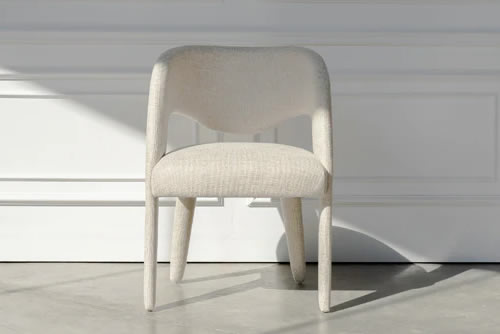
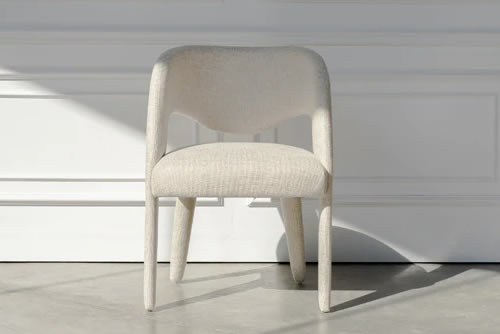
Linen has a relaxed, textured look that suits a lot of Dubai interiors, especially in villas going for a Mediterranean or coastal feel. A tight, heavier-weight linen weave holds up reasonably well to sun and daily use.
The catch is that thin, loosely woven linen isn't built for this climate. It wrinkles fast, shows watermarks, and fades noticeably faster than a performance blend in a sun-facing room. If you love the look, ask specifically for a heavier weight linen blend, not a lightweight decorative one.
Velvet
Velvet reads as luxurious, and in the right space, a formal living room, a media room, somewhere with controlled light, it earns that reputation. The pile catches light beautifully under warm lamps.
In direct sun, though, velvet is one of the fastest fabrics to fade and flatten. It also shows watermarks and pressure marks more than other fabrics, which matters if you have kids climbing on the sofa or pets who like to nap in one spot. Velvet works best away from windows, not as an everyday family-room fabric.
Leather
Genuine leather ages well and develops character over time, which is why it's popular for studies, home offices, and more masculine-leaning living spaces. It doesn't absorb dust the way fabric does, which is a genuine advantage here.
The issue is heat. Leather left in direct sun can get uncomfortably hot to sit on, and prolonged UV exposure dries and cracks it faster than in cooler climates. If you want leather, position it away from direct sun or choose a room with good shading.
Bouclé and chenille
Both have had a moment in interior design over the last few years, and both work reasonably well in Dubai homes when they're a tighter, denser weave. Chenille in particular tends to be soft, durable, and reasonably forgiving with spills. Loosely looped bouclé can snag on rings, buttons, or pet claws, so it suits calmer households better than ones with young kids or dogs.
Also Read: Boucle vs. Velvet vs. Linen: Choosing Fabric for Dubai's Climate
Material Comparison at a Glance
| Fabric | Sun/fade resistance | Feel | Stain resistance | Best for |
|---|---|---|---|---|
| Performance fabric | Excellent | Good, improves each year as blends develop | Excellent, often treated | Family rooms, majlis, high-traffic seating |
| Heavyweight linen blend | Moderate to good | Excellent, breathable | Moderate | Villas, coastal or relaxed interiors |
| Velvet | Poor in direct sun | Excellent, luxurious | Fair | Formal rooms, shaded corners |
| Leather | Fair, can dry and crack | Excellent, improves with age | Excellent, easy wipe-down | Studies, offices, shaded living areas |
| Bouclé/chenille | Good | Excellent, tactile | Good if tight weave | Bedrooms, reading nooks, low-sun rooms |
Pros and Cons
| Fabric | Pros | Cons |
|---|---|---|
| Performance fabric | Fade-resistant, easy to clean, family-friendly | Fewer ultra-luxe textures, though this is improving |
| Linen blend | Natural look, breathable, elegant | Wrinkles, fades faster in direct sun if lightweight |
| Velvet | Rich look and feel, great under lamp light | Fades and marks easily, not ideal near windows |
| Leather | Doesn't hold dust, ages with character | Gets hot and can crack in direct sun over time |
| Bouclé/chenille | Cosy, tactile, on-trend | Can snag on loose weaves |
Also Read: How to Choose the Perfect Small Sofa for Apartments in Dubai
How to Actually Decide: A Simple Framework
Instead of picking a fabric because it looks good in a photo, work through these three questions.
1. How much direct sun does the room get? If the sofa sits within a few metres of an unshaded window that gets afternoon sun, rule out velvet and lightweight linen. Performance fabric or leather in a shaded position are safer bets.
2. Who's using the sofa day to day? A household with young kids, pets, or frequent guests needs something that forgives spills and daily wear, performance fabric or a tight-weave chenille. A formal, rarely-used living room can take more delicate fabrics like velvet.
3. Is this an everyday piece or a statement piece? Everyday sofas, family room, TV room, majlis used daily, should prioritise durability first, look second. Statement sofas in a formal or guest-only space can prioritise look first, since they see far less wear.
Who This Matters Most For
Best suited to performance fabric: Families with young children, pet owners, anyone furnishing a majlis or family room that sees daily use, and anyone who wants one sofa that doesn't need babying.
Best suited to linen or velvet: Homeowners furnishing a formal living room, a guest majlis, or a space that's more about atmosphere than daily wear — particularly where the seating is away from direct window light.
When leather makes sense: A study, home office, or a shaded seating area where you want something that ages well and doesn't hold onto dust.
Common Mistakes We See in Dubai Homes
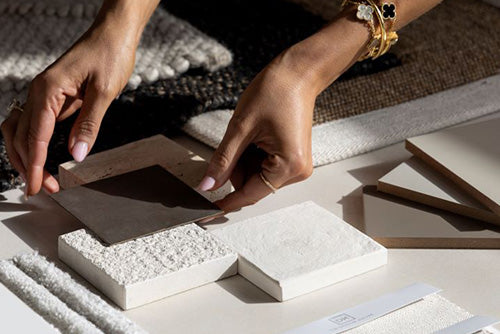
- Choosing fabric purely from a small swatch. Colour and texture read differently under Dubai's natural light than they do in a showroom or on a screen. Always view a larger sample in the actual room, at different times of day.
- Ignoring window orientation. A west-facing living room gets brutal afternoon sun. The same fabric that's fine in a north-facing room can fade within a year in a west-facing one.
- Assuming "luxury" fabric means low maintenance. Velvet and silk-blend fabrics look expensive but need more care, not less.
- Not asking about the weave, only the fibre. "Linen" can mean a delicate, sheer weight or a heavy, durable weave, they behave completely differently in this climate.
- Skipping a fabric protector or treatment. A basic stain-guard treatment, applied once during upholstery, makes a noticeable difference over the sofa's life.
Budget Guidance
Fabric cost in Dubai generally scales with three things: fibre quality, weave density, and whether it's a natural or performance blend. As a rough guide for custom upholstery:
- Entry-level performance fabrics: solid, durable, limited colourways.
- Mid-range linen blends and chenille: wider colour and texture range, good everyday durability.
- Premium velvets, natural leathers, and designer weaves: highest cost, best suited to lower-wear, styled spaces.
Exact pricing depends on the sofa's size, frame, and fill as much as the fabric itself, so it's worth getting a quote against your specific dimensions rather than comparing fabric cost in isolation.
Maintenance and Care
- Vacuum weekly with an upholstery attachment to lift dust before it settles into the weave — this matters more in Dubai than almost anywhere else.
- Rotate cushions every few weeks if the sofa gets regular sun, so fading happens evenly rather than in one visible patch.
- Blot, don't rub, any spill immediately. Rubbing pushes liquid deeper into the fibres.
- Keep sofas at least a short distance from unshaded windows where possible, or use sheer curtains to soften direct UV.
- Professional cleaning once or twice a year for natural fibres; performance fabrics can often be spot-cleaned at home in between.
- Condition leather every few months in air-conditioned homes, since the dry indoor air pulls moisture out faster than you'd expect.
A Real-World Example
A villa in Arabian Ranches came to us wanting a pale linen sofa for a living room with west-facing windows. The look was right for the space, but the window orientation wasn't. We suggested a heavyweight linen-look performance fabric in the same tone instead — same relaxed texture, same colour, built to actually survive that light. Eighteen months on, there's no visible fading, and from across the room you'd assume it was linen.
That's usually the real conversation: not fabric versus fabric in the abstract, but which fabric suits this specific room, this specific light, and this specific household.
Where This Fits Into Custom Furniture
Fabric choice matters more when a sofa is made to measure. With ready-made sofas, you're choosing from whatever's already upholstered. With custom furniture, the fabric, frame, and fill are all decided around how the piece will actually be used, which is where getting the fabric brief right pays off.
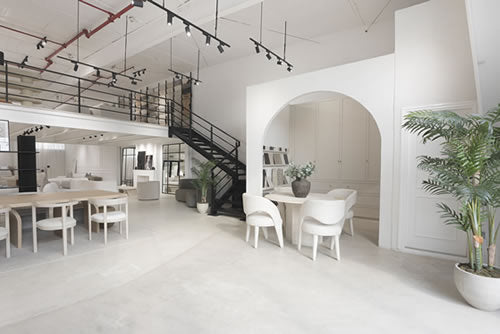
At The Design House, fabric selection is part of the design consultation itself, not an afterthought once the sofa shape is agreed. Room orientation, household use, and how the piece fits into the wider space all factor into the recommendation.
FAQ
What is the most durable sofa fabric for Dubai's climate?
Solution-dyed performance fabric is generally the most durable choice, since it resists fading, handles daily wear, and cleans up easily.
Is velvet a bad choice for a Dubai living room?
Not necessarily, it's a poor choice for a sun-facing spot, but it works well in shaded, lower-traffic rooms like a formal majlis.
Does leather get too hot to sit on in Dubai?
In direct sun, yes, it can. Positioned away from windows or in a shaded room, leather performs well and doesn't hold onto dust the way fabric does.
How often should sofa fabric be replaced in the UAE?
With the right fabric and basic care, upholstery can comfortably last 7–10 years. Lightweight or poorly suited fabrics in high-sun rooms may need reupholstering sooner.
Is linen practical for a Dubai home?
A heavyweight linen-cotton blend can be, especially away from strong direct sun. Lightweight, sheer linen tends to wrinkle and fade faster here than in cooler climates.
Can I get a stain-resistant treatment added to any fabric?
Most fabrics can be treated with a protective finish during upholstery, which helps even natural fibres resist everyday spills.
A Quick Way to Think About It
If you only remember one thing from this guide: match the fabric to the room's sunlight and the household's daily use before you match it to the colour palette. Everything else, cost, care, longevity follows from getting that first decision right.
If you're planning a custom sofa and want a second opinion on fabric before committing, that's exactly the kind of conversation a design consultation at The Design House is built for.
Ready to feel the difference for yourself? Order your free fabric swatches or get in touch to book a studio visit.
Showroom:
22nd St - Al Quoz - Al Quoz Industrial Area 3 - Dubai, UAE
Phone:
+971 50 111 6506
Email:
info@thedesignhousedubai.com