



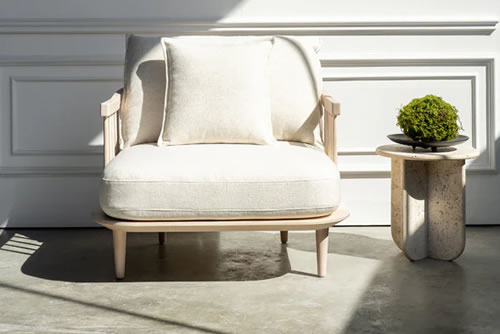
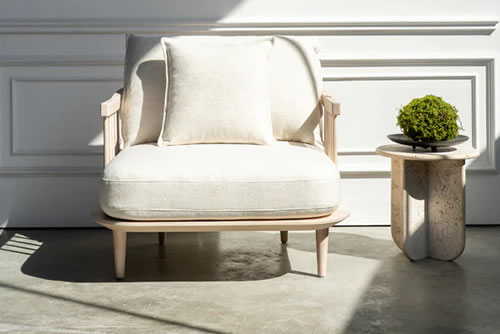
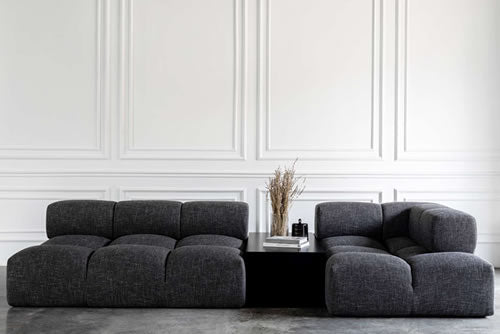
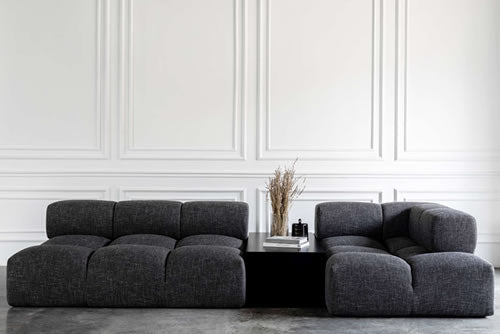







Choosing the right table for your living room often raises a common question: can a side table be used as a coffee table?
With modern homes embracing flexible layouts and multi-functional furniture, the answer is not always black and white.
This guide explores the differences, practical considerations, and real-world scenarios to help you decide what works best for your space—without compromising on comfort or design.
Let's See the Difference Between a Side Table and a Coffee Table
Although they may look similar at first glance, side tables and coffee tables serve distinct purposes.
A coffee table is typically placed at the centre of the seating area. It anchors the living room and provides a shared surface for daily use, décor, or entertaining.
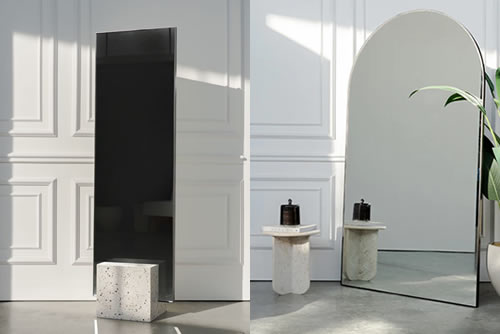
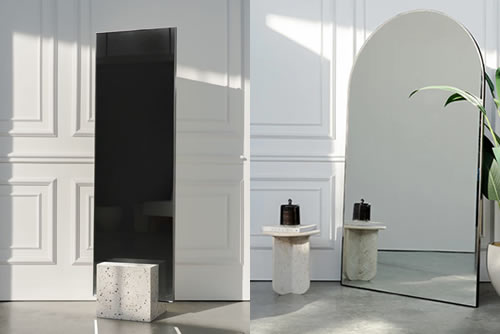
A side table, on the other hand, is usually positioned beside a sofa or chair. It is more compact and intended for personal or occasional use rather than as a central surface.
Understanding this difference is key before deciding whether one can replace the other.
Can a Side Table Be Used as a Coffee Table?
Yes, a side table can sometimes be used as a coffee table but only in the right context.
This approach works best in homes where space is limited or where flexibility matters more than formality. However, it is not a universal solution and depends heavily on layout, usage, and proportion.
When Using a Side Table as a Coffee Table Makes Sense
Using a side table as a coffee table can work well in the following situations:
-
Small apartments or studio homes
-
Minimal seating arrangements
-
Living rooms designed for occasional use
-
Spaces that prioritise easy movement and flexibility
In these cases, a compact side table can offer just enough surface space without visually crowding the room.
When a Coffee Table Is the Better Choice
A traditional coffee table remains the better option when:
-
The seating area is large or includes multiple sofas
-
The living room is used frequently for entertaining
-
Storage or surface space is important
-
The table plays a central design role
In such settings, a coffee table offers better balance, accessibility, and functionality.
Size and Height Guidelines to Consider
Proportion plays a crucial role when deciding between a side table and a coffee table.
-
A coffee table typically sits at or slightly below sofa seat height
-
Side tables are often taller and narrower
-
Coffee tables should allow easy reach from all seating positions
If a side table is significantly taller or smaller, it may feel awkward when used as a central table.
Style and Design Considerations
Beyond function, the table should complement the overall look of the living room.
Consider:
-
Material choices such as wood, metal, or stone
-
Shape—round tables work well in tight spaces, while rectangular tables suit larger layouts
-
Visual weight and how the table interacts with surrounding furniture
Design harmony often matters as much as practicality.
Can One Table Serve Both Purposes?
Some modern designs blur the line between side tables and coffee tables.
Options such as nesting tables, oversized side tables, or low-profile accent tables can offer flexibility, especially in homes that value adaptability over fixed layouts.

Coffee Table vs Side Table: Quick Comparison
|
Feature |
Coffee Table |
Side Table |
|
Primary Placement |
Placed at the centre of the seating area |
Placed beside sofas or armchairs |
|
Main Purpose |
Shared surface for décor, serving, and daily use |
Convenient surface for personal or occasional use |
|
Typical Size |
Wider and longer to serve multiple seats |
Smaller and more compact |
|
Height |
Usually equal to or slightly lower than sofa seat height |
Often slightly taller than coffee tables |
|
Best Suited For |
Larger living rooms and frequent use |
Compact spaces or flexible layouts |
|
Storage Options |
Often includes shelves or drawers |
Usually minimal or no storage |
|
Visual Impact |
Anchors the living room layout |
Acts as a supporting or accent piece |
|
Can It Replace the Other? |
Not ideal as a side table |
Can work as a coffee table in limited spaces |
|
Design Flexibility |
Strong focal point in the room |
Easier to move and repurpose |
|
Ideal Usage Scenario |
Homes that entertain or use the living room daily |
Apartments, small homes, or occasional seating areas |
Examples of Coffee Tables and Side Tables from The Design House
Seeing real designs can help clarify the difference between the two.
Coffee Table Examples from The Design House
-
Sona Coffee Table
A balanced design suited for everyday use, offering ample surface space while maintaining visual simplicity. -
Knox Coffee Table
A structured option that works well in living rooms where the coffee table serves as a central functional element. -
Byron Coffee Table
Designed for modern interiors, particularly effective in layouts with modular or sectional sofas.
These coffee tables are ideal when a table is expected to anchor the seating area.
Side Table Examples from The Design House
-
Lester Side Table
A compact design that works well beside sofas or as a flexible solution in smaller living rooms. -
San Side Table
A versatile piece suited for minimalist interiors where space efficiency is essential.
In the right layout, side tables like these can function as temporary or secondary coffee table alternatives.

How The Design House Approaches Living Room Tables
At The Design House, side tables and coffee tables are designed to suit different living room needs rather than serve a single purpose. The focus remains on proportion, functionality, and how each piece fits into real homes and everyday routines.
Final Thoughts
So, can a side table be used as a coffee table?
In certain situations, yes. For smaller or flexible spaces, a well-proportioned side table can serve as a practical alternative. However, in most living rooms, a dedicated coffee table continues to offer better balance and usability.
The right choice ultimately depends on how you use your space, the size of your seating area, and the role the table plays in your daily life.
FAQs
Can a side table replace a coffee table?
A side table can replace a coffee table in smaller or flexible living rooms where space is limited and the table is used occasionally. In larger seating areas or frequently used living rooms, a dedicated coffee table usually offers better balance and surface area.
What is the main difference between a coffee table and a side table?
The main difference lies in placement and function. A coffee table sits at the centre of the seating area and serves multiple people, while a side table is placed beside seating and is typically used for individual or occasional access.
What is the ideal height for a coffee table?
A coffee table is generally designed to be the same height as, or slightly lower than, the sofa seat. This makes it comfortable to reach while seated and visually proportional to the seating arrangement.
Are side tables smaller than coffee tables?
Yes, side tables are usually smaller and narrower than coffee tables. They are designed to complement seating rather than anchor the living room layout.
Can nesting tables be used instead of a coffee table?
Nesting tables can work as an alternative to a traditional coffee table, especially in compact homes. They offer flexibility and can be rearranged or expanded when additional surface space is needed.
Which table is better for small living rooms?
In small living rooms, side tables, nesting tables, or compact coffee tables often work better than oversized centre tables. The right choice depends on how often the space is used and how much surface area is required.
Visit Dubai's Custom furniture store
Our Showroom: 22nd Street, Al Quoz Industrial Area 3, Dubai
Contact: +971 50 111 6506