



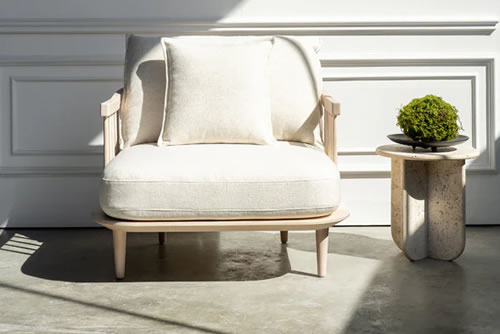
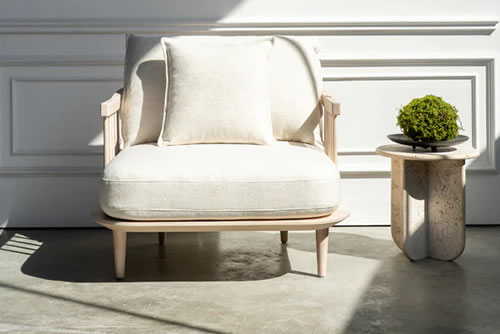
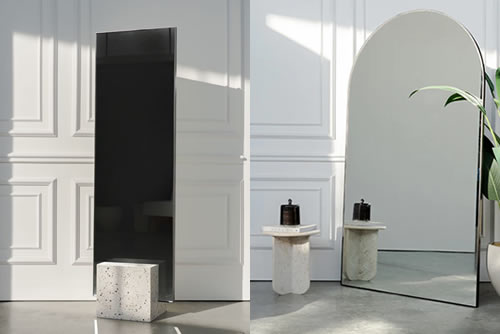






Marble has a way of setting the tone for an entire room. A marble-top coffee table, a dining table with a honed stone surface, a bedside table with soft veining catching the morning light, these are the pieces that make a space feel considered rather than furnished. But marble is a natural stone, and Dubai's climate asks more of it than most interiors in the world ever will. Intense heat, direct sun through floor-to-ceiling windows, and long stretches of air-conditioned dryness all leave their mark over time if the stone isn't cared for properly.
At The Design House, marble is one of the materials we work with most, in coffee tables, dining tables, bedside tables and console tops across our bespoke collections. This guide covers what actually happens to marble in a Dubai home, and the simple habits that keep it looking the way it did the day it arrived.
Why Dubai's Climate Is Tougher on Marble Than You'd Expect
Marble is porous. That's true anywhere in the world, but in Dubai a few local conditions make it more relevant:
Direct sun through large windows. Villas and apartments with floor-to-ceiling glass expose furniture to hours of concentrated UV and heat, particularly on west-facing rooms in the afternoon. Prolonged heat exposure can cause some stones to expand slightly and, over years, contribute to surface dullness.
Dry, conditioned air. Air conditioning keeps interiors comfortable but also pulls moisture from the air. This doesn't harm marble directly, but it does mean spills and condensation rings dry unevenly, which can leave marks if they aren't wiped promptly.
Sand and dust. Fine dust is a constant in Dubai, and it's slightly abrasive. Left to sit and be wiped dry, it can dull a polished marble surface over time, the same way dust dulls a car's paintwork if you wipe it without rinsing first.
Humidity swings between indoors and outdoors. Moving between a cool interior and Dubai's outdoor humidity (especially in summer) creates micro-condensation on stone surfaces near doors, windows, or poolside seating areas, which is worth wiping down rather than leaving to air-dry.
None of this means marble is a poor choice for a Dubai home, quite the opposite. It just means a few consistent habits go a long way.
Daily and Weekly Care
Wipe up spills immediately, especially acidic ones. Coffee, wine, citrus, and vinegar-based dressings are marble's biggest daily threat. Marble is calcium carbonate, so acid reacts with the surface and can leave a dull etch mark, not a stain you can wipe away, but a change in the finish itself. Blot, don't wipe, and clean with a soft cloth straight away.
Use a pH-neutral stone cleaner, never household all-purpose sprays. Most kitchen and glass cleaners contain ammonia or vinegar, both of which etch marble over repeated use. A cleaner formulated specifically for natural stone is a worthwhile investment for any marble piece in the home.
Dust with a soft, dry microfibre cloth before wiping wet. Because Dubai dust is fine and slightly gritty, wiping a dusty surface with a damp cloth can act like light sandpaper. Dust first, then clean.
Use coasters and placemats as standard practice. This matters more in Dubai than in cooler climates, because condensation from cold glasses forms faster in air-conditioned rooms and evaporates into concentrated rings if left. A coaster habit protects the surface far more than any sealant will.
Protecting Marble From Sun and Heat
Reposition or rotate pieces seasonally if they sit in direct sun for large parts of the day — particularly console and side tables near west-facing windows.
Use sheer curtains or UV-filtering film on windows where marble furniture sits in a sun path for more than a few hours daily. This protects upholstery and wood finishes too, not just stone.
Avoid placing hot items, pans, hot mugs, styling tools directly on marble. Thermal shock from a sudden hot-to-cool transition can, over time, contribute to hairline stress in the stone, particularly at edges and corners.
Sealing: What It Does and How Often to Do It
Sealing doesn't make marble stain-proof, but it slows how quickly liquids absorb into the stone, giving you more time to wipe up a spill before it marks. In Dubai's dry heat, sealants can wear faster than in more humid climates, so:
Reseal dining and coffee tables (the pieces that see the most daily contact) roughly every 6–12 months.
Test whether resealing is needed with a simple water-drop test: place a few drops of water on the surface. If it beads, the seal is holding. If it darkens the stone within a minute or two, it's time to reseal.
For bespoke marble pieces from The Design House, our team can advise on the specific sealant recommended for your stone type at the time of delivery.
What to Avoid
Vinegar, lemon, or "natural" acidic cleaning solutions — a common DIY habit that is one of the fastest ways to etch marble.
Abrasive sponges or scouring pads — these dull the polish permanently.
Bleach or ammonia-based products — both break down sealants and can discolor certain marble types over time.
Dragging objects across the surface — Dubai homes often move furniture and decor seasonally; lift, don't slide, anything placed on or near a marble top.
Different Marble Finishes, Different Care Needs
Polished marble (glossy, reflective) shows etching and dullness more visibly, so it benefits most from consistent sealing and prompt spill care.
Honed marble (matte, soft-touch) hides minor etching better and is a popular choice for busy households, though it can show water marks more readily and benefits from more frequent dusting.
Marble with heavy veining tends to camouflage minor surface wear better than more uniform, pale stones, worth considering at the design stage if the piece will see daily use, such as a family dining table.
A Simple Weekly Routine
Dust with a dry microfibre cloth.
Wipe with a pH-neutral stone cleaner and a soft cloth, working in the direction of the veining.
Dry immediately with a clean cloth rather than air-drying, to avoid water spotting.
Once every few months, run the water-drop test to check whether resealing is due.
FAQ
Q: Can marble furniture crack in Dubai's heat?
A: Extreme or sudden temperature changes such as placing something very hot directly on the surface — can contribute to stress over time, but normal ambient heat and sunlight will not crack a well-installed marble piece. The main risks in daily life are dullness and etching, not cracking.
Q: How often should I reseal marble furniture in the UAE?
A: On average every 6–12 months for pieces in daily use, such as dining and coffee tables. A simple water-drop test will tell you if it's due sooner.
Q: Is honed or polished marble better for a Dubai home?
A: Both work well with proper care. Honed marble tends to hide minor wear and water marks better for busy family spaces, while polished marble offers a more reflective, formal look best suited to lower-traffic pieces like console or bedside tables.
Q: What's the fastest way to damage marble by accident?
A: Cleaning it with vinegar, lemon, or any acidic "natural" cleaner. It's a common household habit that etches marble almost immediately.
Final Thought
Marble is one of the most rewarding materials to live with, it ages with character rather than wear, provided it's treated with a little care. In a climate like Dubai's, that mostly comes down to consistency: wipe promptly, clean gently, and reseal on schedule. Do that, and a marble piece from The Design House is designed to stay part of your home for years, not just a season.
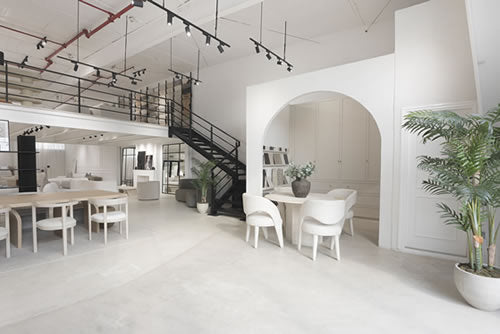
Every marble piece from The Design House is selected and finished with Dubai's climate in mind. If you'd like guidance on the right marble and finish for your space, our design consultants are happy to help, book a consultation or visit our showroom in Al Quoz.
Showroom:
22nd St - Al Quoz - Al Quoz Industrial Area 3 - Dubai, UAE
Phone:
+971 50 111 6506
Email:
info@thedesignhousedubai.com
Also Read: