









The sofa is the one piece of furniture most people agonise over. And rightly so. It's the largest thing in the room, the most used, and the hardest to change on a whim. Get the colour right and it anchors everything beautifully. Get it wrong and you'll be rearranging cushions for the next five years trying to make it work.
So how do you choose a sofa colour you'll still love in a decade? Not just one that looks good in a showroom or photographs well on Instagram, but one that genuinely works in your home, with your life, through all the small changes that happen along the way?
Let's talk through it honestly.
Start With How You Actually Live
Before you think about colour, think about your household. Do you have young children who treat the sofa like a climbing frame? A dog who considers it their personal bed? Do you host often, or is the living room mostly just for you?
These aren't small details. They're the most important factors in your decision.
A pale linen sofa in a home with two toddlers and a golden retriever is going to cause you daily stress. It might look stunning on day one, but by month three, you'll be covering it in throws and wondering why you didn't listen to that voice in the back of your head.
On the other hand, a family that's careful with their furniture or a couple without children or pets can absolutely live beautifully with a lighter sofa. The key is honesty about your reality, not your aspirations.
The Case for Warm Neutrals
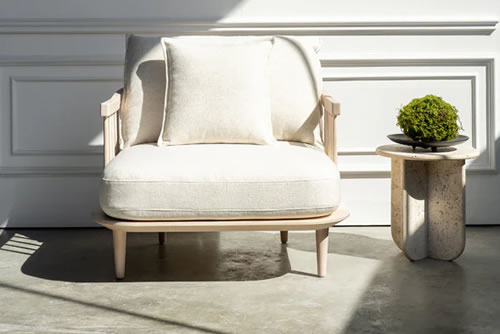
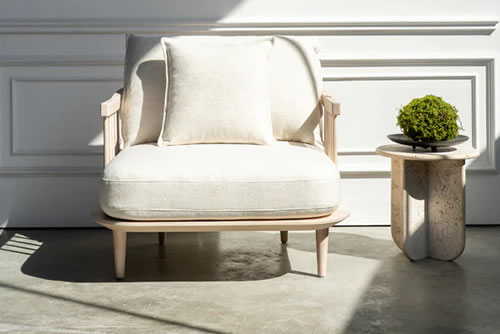
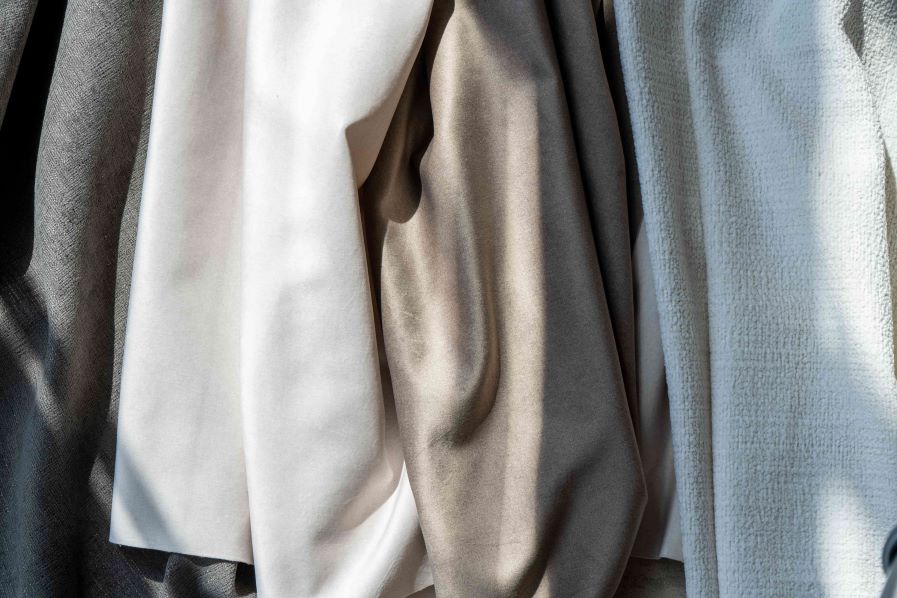
If there's one colour family that consistently stands the test of time, it's warm neutrals. Camel, sand, warm greige, soft taupe, these tones have a quiet confidence that works across almost every interior style.
They're not boring. They're versatile. A warm camel sofa looks completely different styled with deep jewel-toned cushions versus soft terracotta and cream. The sofa stays the same. The mood of the room shifts entirely based on what you put around it.
The Mayfair Sofa from The Design House in a warm sand or camel tone is a good example of this. It has a classic silhouette that doesn't date, and in a neutral tone, it becomes the kind of piece you can redecorate around without ever feeling like it's fighting the room.
For Dubai homes specifically, warm neutrals also work beautifully with the natural light. The sun here is strong and golden, and it makes warm tones glow in a way that cooler greys or stark whites simply don't.
What About Grey? The Honest Answer
Grey sofas had a long run. For about a decade, they were everywhere and many of them are still sitting in living rooms looking a little tired and a little cold.
That's not to say grey is wrong. A warm mid-grey in a well-lit room with the right accents can still look elegant. But cool, blue-toned greys have aged quickly, and they can make a room feel flat, especially in the evenings when the natural light drops.
If you love grey, lean warmer. A greige that grey-beige hybrid is far more forgiving and far more timeless than a cool slate. It reads as neutral without the coldness.
Dark Sofas: Underrated and Underused
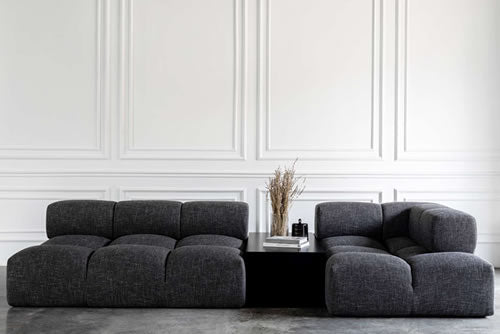
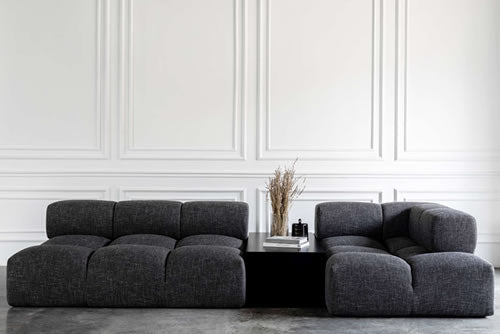
Here's something that surprises a lot of people: dark sofas are often more practical than light ones. A deep charcoal, a rich forest green, a warm chocolate brown these colours hide everyday wear far better than pale tones, and they add a depth and richness to a room that neutrals can't always achieve.
The Moda Extra Deep Sofa in a deep charcoal or slate is a brilliant choice for a family living room. It's generous in size, incredibly comfortable, and in a darker tone, it handles real life without showing every crumb or pet hair. Style it with warm-toned cushions and a textured throw and it looks considered and luxurious, not heavy.
Dark sofas also work particularly well in Dubai villas where the living rooms are large and the ceilings are high. A big, pale sofa in a vast room can look washed out. A darker piece grounds the space and gives it a sense of intimacy.
The Colour That's Having a Quiet Moment
If you want something with a little more personality but still want longevity, consider dusty or muted tones a soft sage, a faded terracotta, a dusty blush, or a warm olive. These aren't trend colours in the way that bright emerald or cobalt blue are. They're quieter, more considered, and they've been part of well-designed interiors for decades.
The Athena Sofa in a dusty sage or warm olive is a beautiful example of how a colour with personality can still feel timeless. It's not neutral, but it's not loud either. It sits comfortably in a room and adds warmth and character without demanding attention.
The rule of thumb: the more muted and dusty the tone, the longer it tends to last. Saturated, bright colours are harder to live with over time. Softer versions of the same hue almost always age better.
Apartments vs Villas: Does It Change the Equation?
Somewhat, yes. In a Dubai apartment where the living room is more compact, lighter and warmer tones tend to make the space feel more open. A very dark sofa in a small room can feel oppressive, especially if the natural light is limited.
In a villa with generous proportions and good light, you have more freedom. Darker tones, bolder colours, and larger silhouettes all work well. The Cloud Sofa in a warm off-white or cream, for instance, looks extraordinary in a large, light-filled villa living room it has the scale and the softness to fill the space without overwhelming it.
In an apartment, that same sofa in a warm sand or soft greige might be the smarter choice same beautiful piece, just a tone that works harder in a smaller space.
A Few Practical Things Worth Knowing
Fabric matters as much as colour. A pale sofa in a performance fabric one that's been treated to resist stains and is easy to clean is a very different proposition to a pale sofa in untreated linen. When you're choosing colour, always ask about the fabric at the same time. The two decisions are connected.
Cushion covers are your best friend. One of the easiest ways to refresh a sofa without replacing it is to change the cushion covers. If you choose a sofa in a solid, neutral tone, you give yourself enormous flexibility to update the look of the room seasonally or whenever you feel like a change. It's a small investment with a big visual impact.
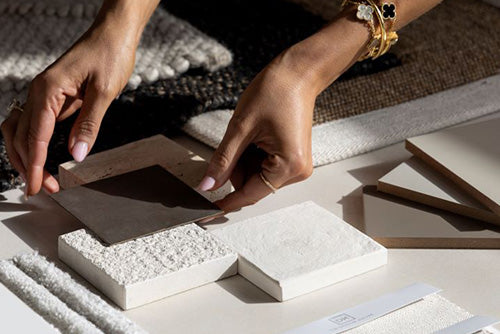
Test in your actual light. Colours look different in a showroom than they do at home. If you can, bring a fabric sample back and live with it for a few days. Look at it in the morning, in the afternoon, and in the evening with your artificial lighting on. The colour that looked perfect under showroom lighting might surprise you at home — in a good way or a less good one.
The Colour You'll Still Love in Ten Years
There's no single right answer. But there are a few principles that hold up consistently: warm tones age better than cool ones, muted shades outlast saturated ones, and the colour that works best is always the one that suits how you actually live not how you wish you lived.
Choose something that makes you feel good every time you walk into the room. Not just on the day it arrives, but on a Tuesday evening after a long day, when the light is low and the room needs to feel like home.
That's the real test. And when you find the colour that passes it, you'll know.
The Design House's sofa collection is available in a range of carefully curated fabrics and finishes, with custom options for those who want something made precisely for their space. If you're not sure where to start, the TDH team is always happy to help you find the right fit.
Frequently Asked Questions
What sofa colour is most timeless?
Warm neutrals — camel, sand, warm greige, and soft taupe consistently stand the test of time. They're versatile enough to work with changing interiors, they suit the natural light in Dubai homes, and they don't carry the same trend risk as bolder or cooler tones. If you want a sofa you'll still love in ten years, a warm neutral is almost always the safest and most rewarding choice.
Is a light or dark sofa better for a family with kids and pets?
In most cases, a mid-tone or darker sofa is more practical. Deep charcoals, warm chocolates, and rich mid-tones hide everyday wear, pet hair, and the inevitable spills far better than pale sofas. If you love lighter tones, look for performance fabrics that are treated to resist stains and are easy to wipe clean the fabric choice matters as much as the colour.
Can I have a coloured sofa and still keep it timeless?
Yes, if you choose the right kind of colour. Muted, dusty tones soft sage, faded terracotta, warm olive, dusty blush — have far more longevity than bright or saturated shades. They add personality without the trend risk. The more muted the tone, the longer it tends to feel current. Avoid anything that feels very of-the-moment; those are the colours that date fastest.
Does sofa colour choice differ for apartments vs villas in Dubai?
It can. In a compact apartment, lighter and warmer tones help the space feel more open and airy. In a larger villa with high ceilings and generous natural light, you have more freedom darker tones, bolder colours, and larger silhouettes all work well. The key in both cases is to consider the scale of the room and the quality of the natural light before committing to a colour.
How do I test a sofa colour before buying?
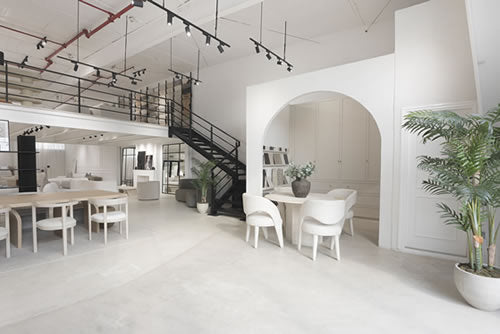
Always ask for a fabric sample and bring it home. Live with it for a few days and look at it at different times morning light, afternoon sun, and evening with your artificial lighting on. Colours behave very differently depending on the light source, and what looks perfect in a showroom can read quite differently at home. It's a small step that saves a lot of regret.
Visit our showroom or explore our collection online, and let our design team help you create something truly made for you.
Showroom:
22nd St - Al Quoz - Al Quoz Industrial Area 3 - Dubai, UAE
Phone:
+971 50 111 6506
Email:
info@thedesignhousedubai.com