



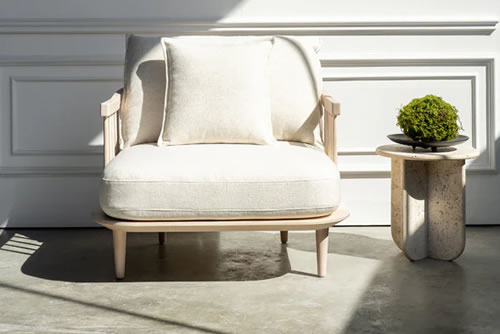
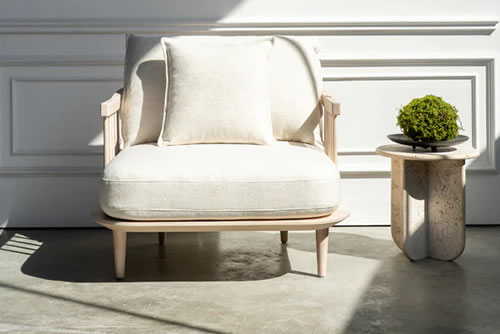
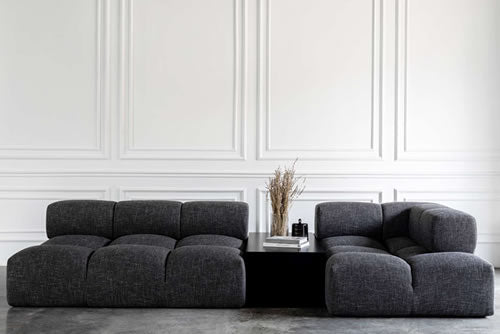
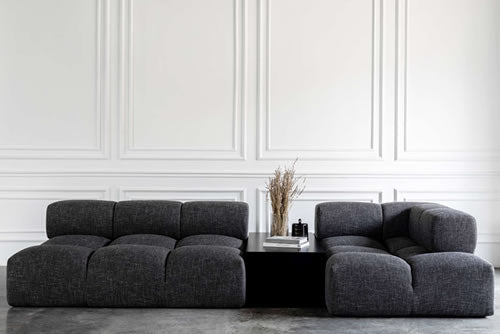






An L-shape sofa can completely transform a living room. It adds structure, maximizes seating, and creates a more inviting atmosphere for everyday living. But the difference between a room that feels stylish and comfortable and one that feels cramped often comes down to placement.
Many homeowners focus on choosing the right sofa design but overlook how positioning affects movement, comfort, conversation flow, and the overall balance of the room.
In modern homes across Dubai, where open-plan layouts and multifunctional spaces are increasingly common, proper L-shape sofa placement plays a major role in making interiors feel spacious and functional.
Here are the most effective L-shape sofa placement tips to create better flow, comfort, and visual harmony in your living room.

Why L-Shape Sofas Work So Well in Modern Homes
L-shape sofas have become one of the most popular seating choices because they combine flexibility, comfort, and efficient space usage.
They work especially well for:
-
open-plan layouts
-
family living rooms
-
apartments
-
villas
-
entertainment-focused spaces
-
compact seating arrangements
Unlike traditional sofa setups that require multiple separate pieces, an L-shape sofa naturally defines the seating zone while maximizing available seating capacity.
That combination of practicality and visual structure makes it ideal for modern interiors.
Start With the Room’s Natural Flow
Before deciding where the sofa should go, study how people naturally move through the room.
Good furniture placement should support movement, not interrupt it.
Pay attention to:
-
doorways
-
hallway access
-
balcony entrances
-
TV viewing lines
-
walking pathways
-
window placement
One of the biggest mistakes homeowners make is placing the longer side of the sectional directly across a natural pathway. This creates visual heaviness and makes the room feel blocked.
Instead, position the sofa in a way that guides movement naturally around the room.
A living room should feel open and easy to navigate, even with large seating.
Use the L-Shape Sofa to Define Open Spaces
In open-plan homes, L-shape sofas work extremely well as natural dividers.
Rather than pushing all furniture against walls, the sofa itself can help separate zones between:
-
living and dining areas
-
entertainment and lounge spaces
-
kitchen and family rooms
-
conversation and TV areas
This approach creates better structure without needing physical partitions.
In many modern Dubai apartments and villas, floating an L-shape sofa slightly away from the wall often makes the room feel more balanced and intentional.
Choose the Right Orientation
One of the most important placement decisions is choosing whether the chaise or extended side should face left or right.
The correct orientation depends entirely on the room layout.
A good rule:
-
place the shorter side toward natural entry points
-
keep the longer side aligned with the room’s longest visual line
-
avoid blocking windows or access areas
The wrong orientation can make even a large room feel awkward and restrictive.
Before buying, many interior designers recommend mapping the sofa dimensions directly on the floor using tape. This gives a realistic sense of movement flow and spacing.
Avoid Pushing Everything Against the Wall
Many people assume pushing a sectional fully against the wall makes a room feel larger. In reality, this often creates an empty center and an unbalanced layout.
If space allows, leave slight breathing room around the sofa.
Even a few inches of separation can:
-
improve visual balance
-
soften the layout
-
create better proportions
-
make the room feel more designed
Floating furniture slightly also creates a more luxurious and layered interior aesthetic.
Keep Walkways Comfortable
Flow matters as much as appearance.
A well-placed L-shape sofa should never force people to squeeze through narrow gaps or walk awkwardly around furniture corners.
Ideally, maintain:
-
at least 75–90 cm of walking space around major pathways
-
clear access to doors and windows
-
comfortable spacing between the sofa and coffee table
The room should feel easy to move through naturally without obstacles interrupting daily living.
Position Around a Focal Point
Every living room benefits from a clear focal point.
That could be:
-
a television
-
large window
-
statement coffee table
-
fireplace
-
artwork wall
-
outdoor view
The L-shape sofa should support that focal point rather than compete with it.
For TV-focused layouts, ensure viewing angles remain comfortable from all seating positions.
For conversation-focused spaces, angle the seating to encourage interaction rather than forcing everyone to face a single direction.
Scale Matters More Than People Think
One of the biggest mistakes in modern interiors is choosing an oversized sectional for the room.
A sofa may fit dimensionally but still overwhelm the visual balance of the space.
When selecting an L-shape sofa, consider:
-
ceiling height
-
room width
-
surrounding furniture scale
-
coffee table proportions
-
rug size
-
circulation space
Low-profile sectionals often work especially well in contemporary homes because they maintain openness while still offering substantial seating.
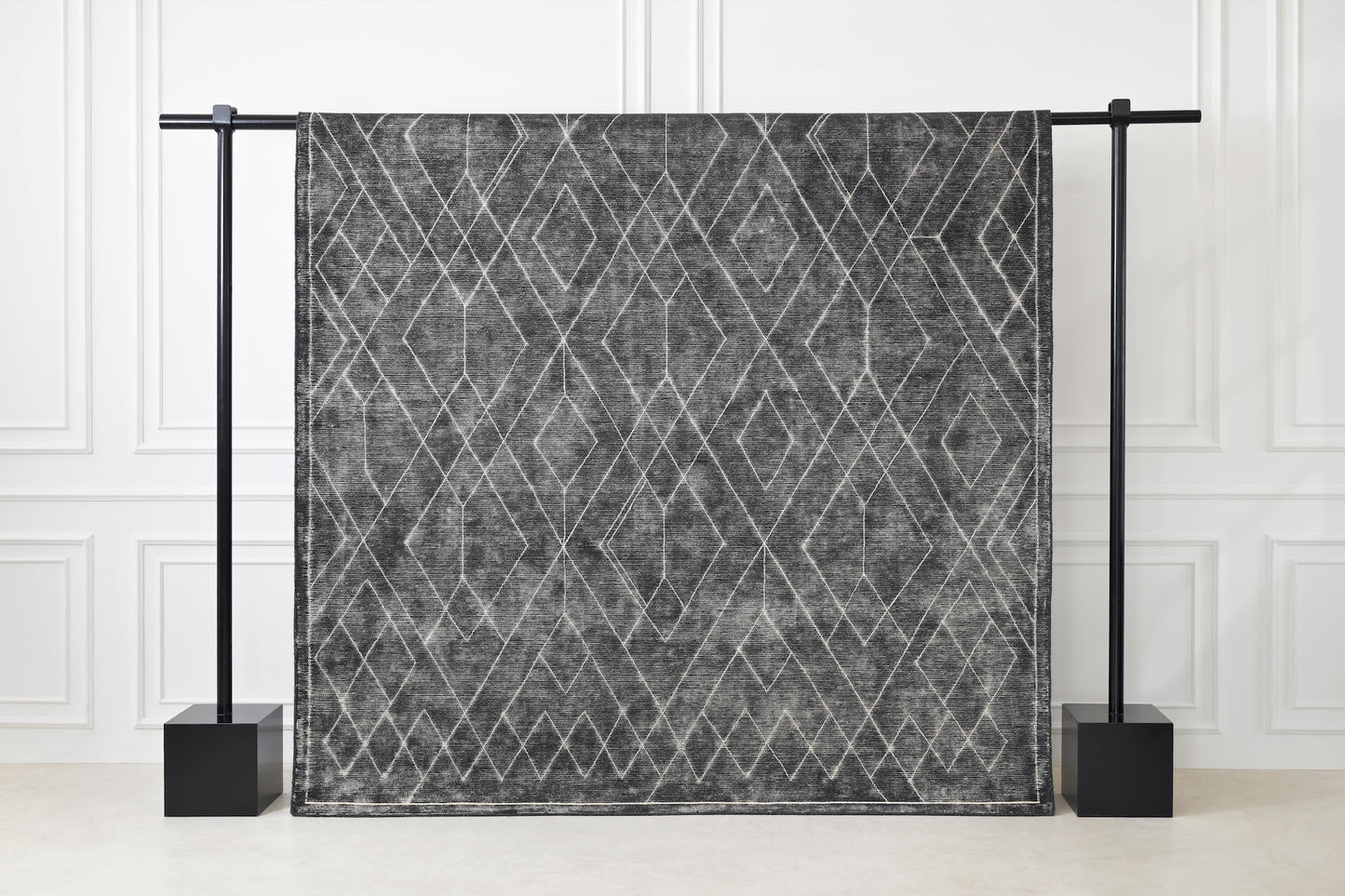
Use Rugs to Anchor the Layout
A rug helps visually organize the seating arrangement.
For L-shape sofa layouts:
-
the rug should extend beneath at least the front legs of the sofa
-
avoid rugs that are too small for the seating zone
-
larger rugs usually create better visual cohesion
A properly scaled rug makes the room feel more connected and intentional.
Without one, large sectionals can sometimes appear visually disconnected from the rest of the room.

Balance the Room With Additional Seating
An L-shape sofa already carries strong visual weight.
To prevent the room from feeling heavy on one side, balance it with lighter complementary pieces such as:
-
accent chairs
-
poufs
-
slim side tables
-
open-frame chairs
-
nesting tables
This creates better visual rhythm while maintaining flexibility.
Avoid overcrowding the room with bulky furniture that competes with the sectional.
Natural Light Should Influence Placement
Window positioning matters more than many people realize.
Avoid placing the tall back of the sofa in a way that blocks:
-
natural sunlight
-
outdoor views
-
balcony access
Instead, use the sectional to frame the light source while keeping the room feeling open and airy.
In Dubai homes especially, natural light often becomes a major design feature within modern interiors.
Custom L-Shape Sofas Create Better Flexibility
Not every room suits standard sectional dimensions.
That is why many homeowners now prefer custom furniture solutions that adapt to the space rather than forcing compromises.
Custom L-shape sofas allow flexibility in:
-
dimensions
-
chaise length
-
seat depth
-
upholstery
-
modular configuration
-
orientation
At The Design House, tailored seating solutions help homeowners create layouts that feel more balanced, practical, and connected to the way they actually live.
Common L-Shape Sofa Placement Mistakes
Here are some mistakes worth avoiding:
-
choosing oversized sectionals for compact rooms
-
blocking natural walkways
-
ignoring viewing angles
-
overcrowding with extra furniture
-
pushing everything flat against walls
-
selecting the wrong chaise orientation
-
using rugs that are too small
Small placement adjustments often make a dramatic difference in how comfortable and spacious a room feels.
Comfort and Flow Should Always Work Together
The best living rooms do not just look beautiful. They function naturally.
A properly positioned L-shape sofa improves:
-
conversation flow
-
comfort
-
movement
-
relaxation
-
room balance
-
visual openness
Whether furnishing a compact apartment or a spacious villa, thoughtful placement helps transform the sectional from a large furniture piece into the anchor of the entire room.
Because in modern interiors, furniture should never simply fill space. It should improve the way the space feels and functions every day.
Frequently Asked Questions
Where should an L-shape sofa be placed in a living room?
An L-shape sofa should be placed where it supports natural movement flow without blocking pathways, windows, or entrances. In open-plan layouts, it can also help define seating zones.
Should an L-shape sofa go in a corner?
Not always. While corner placement works well in some rooms, floating the sofa slightly away from walls can often create a more balanced and spacious look.
How much space should be around an L-shape sofa?
Ideally, leave around 75–90 cm of walking space around major pathways and enough room for comfortable circulation between furniture pieces.
Are L-shape sofas good for small living rooms?
Yes. L-shape sofas can actually maximize seating efficiently in smaller spaces when chosen in the right proportions and positioned carefully.
What size rug works best with an L-shape sofa?
A larger rug that extends beneath the front legs of the sectional usually creates the best visual balance and helps anchor the seating area properly.
Explore modern furniture collections or visit the Best Custom Furniture Showroom in Dubai
Showroom:
22nd St - Al Quoz - Al Quoz Industrial Area 3 - Dubai, UAE
Phone:
+971 50 111 6506
Email:
info@thedesignhousedubai.com