



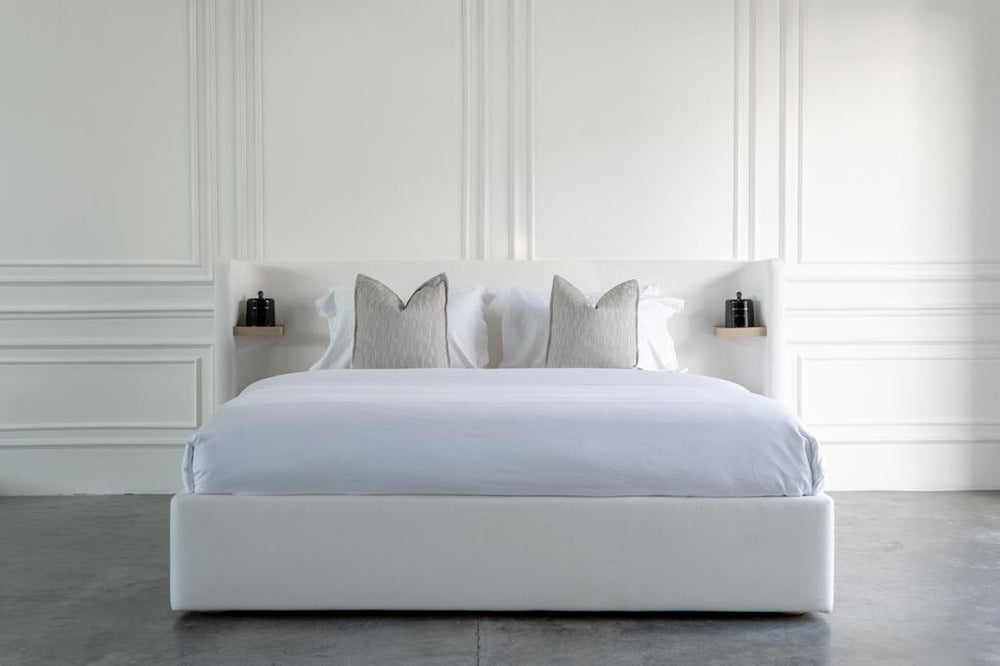
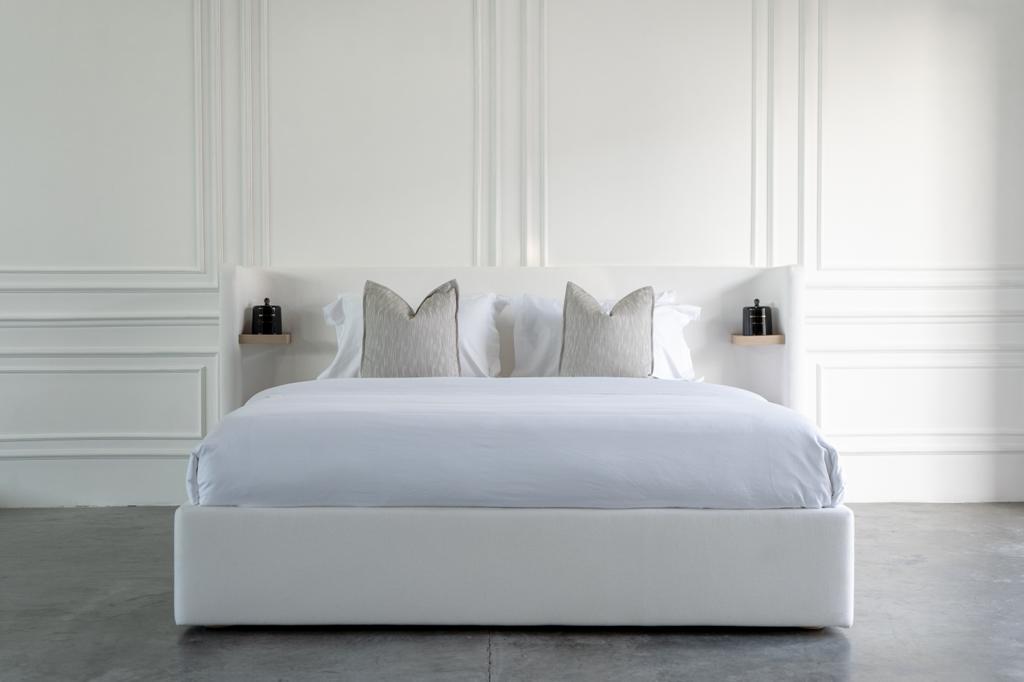
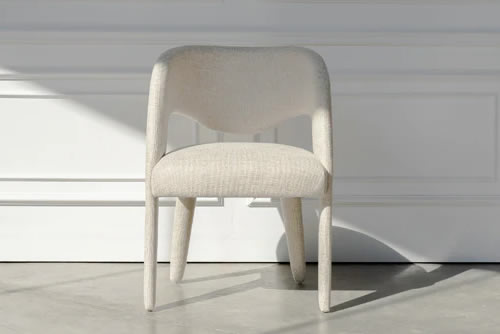
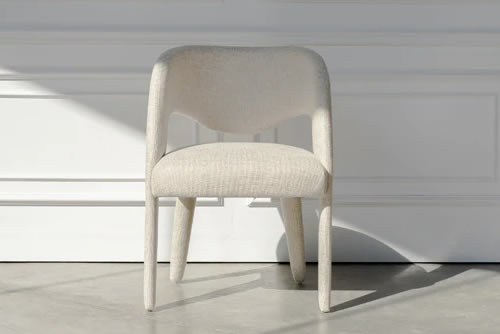


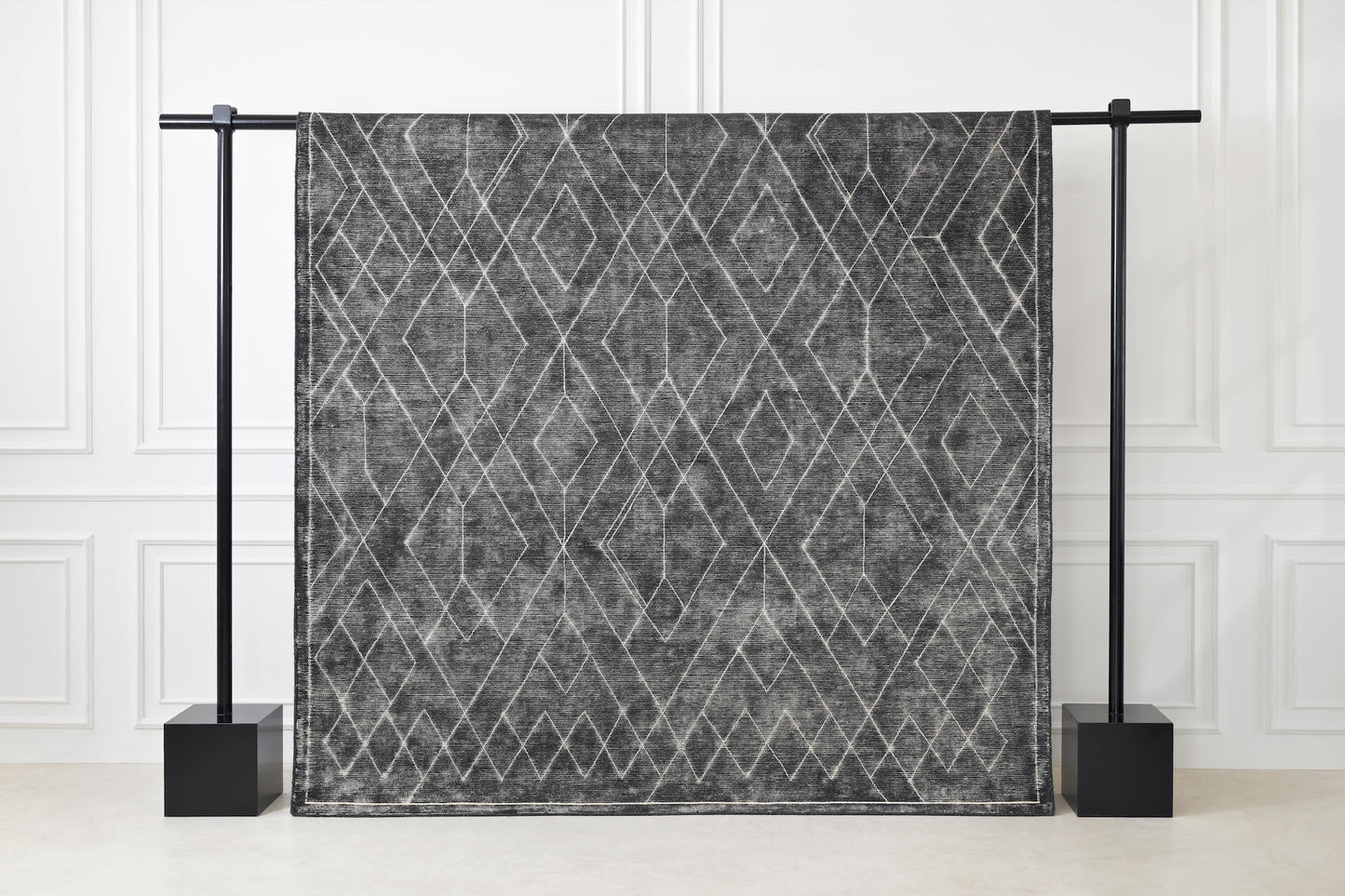

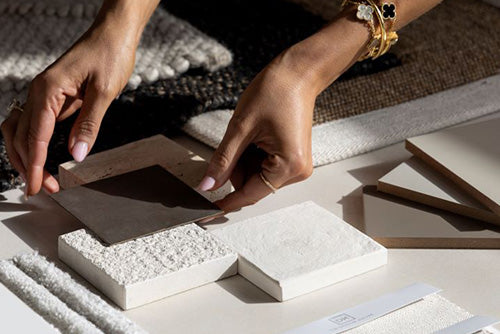




In a market where a Palm Jumeirah villa can command hundreds of millions of dirhams, the way you present your property is not an afterthought, it is the difference between a swift, premium sale and a listing that lingers. We've curated the most critical staging mistakes we see every day in Dubai's luxury market, and exactly how to correct them.
88% Faster — Staged homes sell in a fraction of the time
20% Higher — Average sale price uplift from professional staging
Now Let’s look at The Mistakes:
Skipping Staging Altogether
It sounds obvious, yet in Dubai's buoyant market, far too many sellers assume that location and price alone will do the talking. The mindset of "the home will sell itself" is dangerous, even in premium postcodes like Emirates Hills or Downtown Dubai. Today's buyers, particularly the ultra-high-net-worth individuals and global investors flowing into the emirate, arrive with high expectations shaped by five-star hotels and branded residences. A bare, lived-in property simply does not compete. Every room should tell a story of aspiration, not vacancy.
The Fix
Even light staging, removing personal items, rebalancing furniture, adding curated textiles creates the emotional connection buyers need to commit. Consider it a non-negotiable investment, not an optional cost.
Emotional Attachment
Over-Personalising the Space
Family portraits lining the hallway. Bold artwork that reflects your tastes perfectly. A child's trophy cabinet front and centre. These are all wonderful expressions of a life well-lived, but they are the enemy of a successful sale. Buyers need to mentally move in. When a space is saturated with someone else's identity, that process becomes almost impossible. In Dubai's international buyer market, where purchasers come from the UK, India, Russia, Europe and beyond, a hyper-personal aesthetic can feel alienating before a single word is exchanged.
The Fix
Depersonalise thoughtfully. Pack away photos and sentimental objects. Replace distinctive décor with calm, elegant, culturally neutral pieces. The goal is "aspirational hotel suite," not "showroom", there should still be warmth, just not yours specifically.
Proportion & Scale
Wrong-Sized Furniture for the Room
This mistake comes in two flavours, both costly. Furniture that is too large overwhelms a space and makes even generously proportioned rooms feel cramped and claustrophobic. Furniture that is too small creates the opposite problem: rooms feel unfinished, cold, and oddly shapeless. In Dubai's luxury villas and expansive penthouse apartments, scale is everything. A living room with a vaulted ceiling demands presence. A boutique studio in JVC demands restraint. Neither tolerates a mismatch.
The Fix
Measure every room before placing a single piece. Furniture should feel proportional, not accidental. In larger rooms, anchor with a hero sofa and layer from there. In smaller spaces, choose legs over bulk, furniture that reveals floor space reads as airier.
First Impressions
Neglecting Curb Appeal & The Entrance
In Dubai's sun-bleached landscape, a property's exterior and entry experience are filtered through an unforgiving lens. Overgrown landscaping, scuffed front doors, weathered paving, or a tired lobby create a psychological ceiling on value before the buyer has set foot inside. The entry hall of a home is equally critical, yet sellers routinely treat it as a dumping ground for shoes and post. Research consistently shows that buyers form their emotional impression of a property within seconds of arrival; the interior presentation that follows is simply confirmation of that initial feeling.
The Fix
Power-wash the exterior. Repaint or polish the front door. Introducing landscaping, drought-resilient plants work beautifully in Dubai's climate. Inside, style the entry with a clean console, a mirror, subtle lighting, and a quality rug. Make the first breath inside count.
Storage & Perception
Ignoring the Power of Light
Lighting is the single most transformative, and most underutilised, element in home staging. Harsh overhead fluorescents flatten a space and erase the atmosphere. A single source of light in a multi-zoned room creates dead corners that feel dull and uninviting. In Dubai, where natural light floods through floor-to-ceiling glazing for much of the year, the temptation is to assume sunlight does all the work. But evening viewings and north-facing rooms tell a different story. A layered lighting strategy, ambient, task, and accent, creates depth, warmth, and a feeling of considered luxury.
The Fix
Layer your lighting deliberately. Floor lamps, table lamps, and warm-toned bulbs (2700K–3000K) transform a room's mood. Highlight architectural details, artwork, and focal points with directional accent lighting. Never let a single overhead bulb do all the work.
Sensory Experience
Forgetting That Buyers Use All Five Senses
Staging is so often treated as a purely visual exercise, but buyers experience a home with their entire body. Echo-filled rooms with hard floors and bare walls create a feeling of emptiness, even anxiety. Pet odours, lingering kitchen smells, or stale air are deal-breakers that no amount of beautiful furniture can overcome. Equally, a home that smells synthetic, doused in artificial air freshener, signals that something is being concealed. The olfactory experience is deeply tied to emotional memory, and that memory either builds connection or breaks it.
The Fix
Deep clean thoroughly, every corner, every surface. Use natural, subtle fragrance (fresh linen, light citrus, sandalwood) rather than heavy synthetic scents. Add soft furnishings, rugs, curtains, cushions, to absorb echo and bring warmth to acoustically cold spaces.
Visual Flow
Leaving Rooms Without a Focal Point
A room without a focal point is a room without a story. Buyers walk in and their eye has nowhere to land, so the space feels scattered, smaller, and ultimately unmemorable. This is a particular risk in open-plan layouts, which are ubiquitous across Dubai's modern villas and apartments. Without deliberate anchoring, open-plan living can feel like a vast, directionless expanse rather than the sophisticated lifestyle space it was designed to be.
The Fix
Identify the natural focal point in each room, a fireplace, a view, an architectural detail, a statement artwork, and dress toward it. Every other element in the room should serve that anchor. In living spaces, orient seating around it; in bedrooms, the bed headboard defines the axis.
The Dubai Factor
Failing to Stage for an International Buyer Profile
Dubai's property market is defined by its extraordinary diversity of buyers, British expatriates, Indian entrepreneurs, Russian UHNWIs, European investors, and GCC nationals all browse the same listings. A staging approach that resonates narrowly with one cultural aesthetic may alienate others. Over-designing for a single lifestyle, hyper-minimalist to the point of coldness, or maximalist in ways that feel culturally specific, creates invisible barriers. The goal is a sophisticated neutrality: refined enough to impress, open enough to invite projection.
The Fix
Anchor your staging in universal luxury cues, quality materials, considered proportion, restrained colour palettes, natural textures. Avoid culturally specific motifs, intensely trend-driven décor, or anything that reads as a strong regional preference. Think five-star hospitality rather than a personal home.
The Invisible Sell
Leaving Unfinished Details Visible
A half-painted wall. A missing door handle. An unplugged light fixture. A cracked tile left unaddressed. These seemingly minor details carry disproportionate psychological weight. When buyers notice unfinished business, their minds immediately expand the problem: "If they didn't fix this, what else hasn't been addressed?" In Dubai's competitive secondary market,where buyers have considerable choice and the discerning international buyer is particularly attentive to quality signals, these small tells erode confidence and invite lower offers or requests for credits.
The Fix
Walk through your property with fresh eyes, or better yet, invite someone who hasn't lived there to do so. Create a snag list and resolve every item before the first viewing. A pristine finish signals care, pride, and quality, it justifies the asking price before negotiations begin.
Why Dubai Demands More
From Your Staging
Dubai's residential property market recorded AED 539.9 billion in transaction value in 2025, an 18% year-on-year increase. Luxury transactions above AED 10 million grew by over 60%. In a market this dynamic and this competitive, the difference between a property that sells in days and one that languishes for months often comes down not to price, but to presentation.
Today's Dubai buyer, increasingly an end-user rather than a pure investor, is emotionally invested in the decision. They are choosing a lifestyle, not merely an asset. The properties that succeed are those that communicate that lifestyle instantly, elegantly, and without ambiguity.
At The Design House, we stage properties across Dubai's most sought-after communities, from Palm Jumeirah's waterfront villas to the boutique residences of Jumeirah and beyond. The principles are timeless; the execution is always bespoke.
Staging is not decoration. It is the art of helping a buyer fall in love with a home they haven't yet lived in.
— The Design House, Dubai
Ready to Stage Your Dubai
Property to Sell?
The Design House offers bespoke home staging consultations across Dubai's luxury residential market. From a single-session assessment to full-scale staging and furnishing, we help properties reach their highest potential, visually, emotionally, and financially.
Request a Staging Consultation
Dubai · Palm Jumeirah · Emirates Hills · Downtown · Jumeirah
Showroom:
22nd St - Al Quoz - Al Quoz Industrial Area 3 - Dubai, UAE
Phone:
+971 50 111 6506
Email:
info@thedesignhousedubai.com