



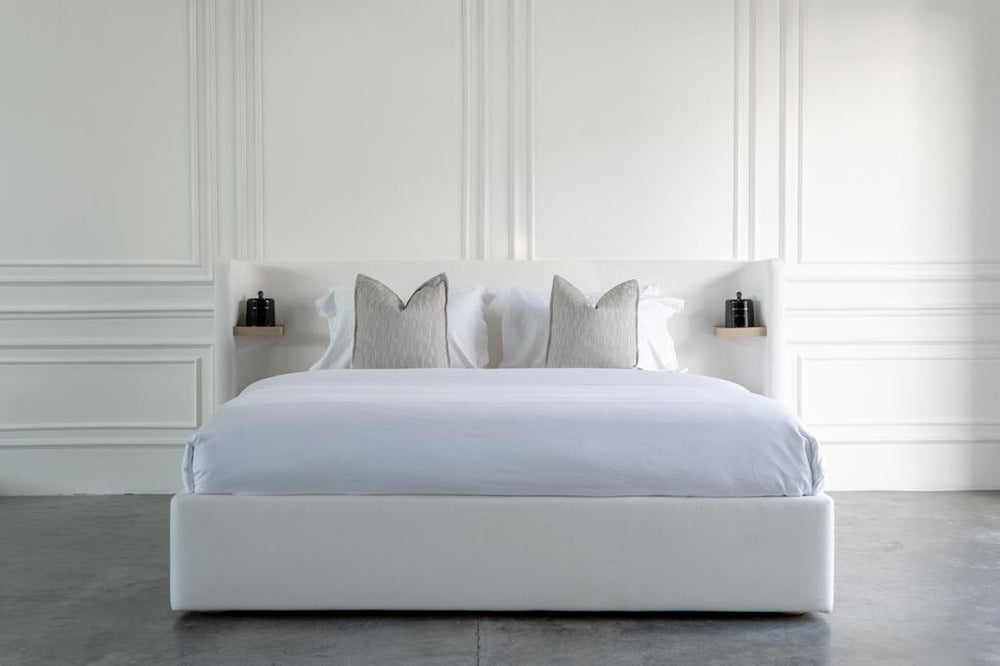
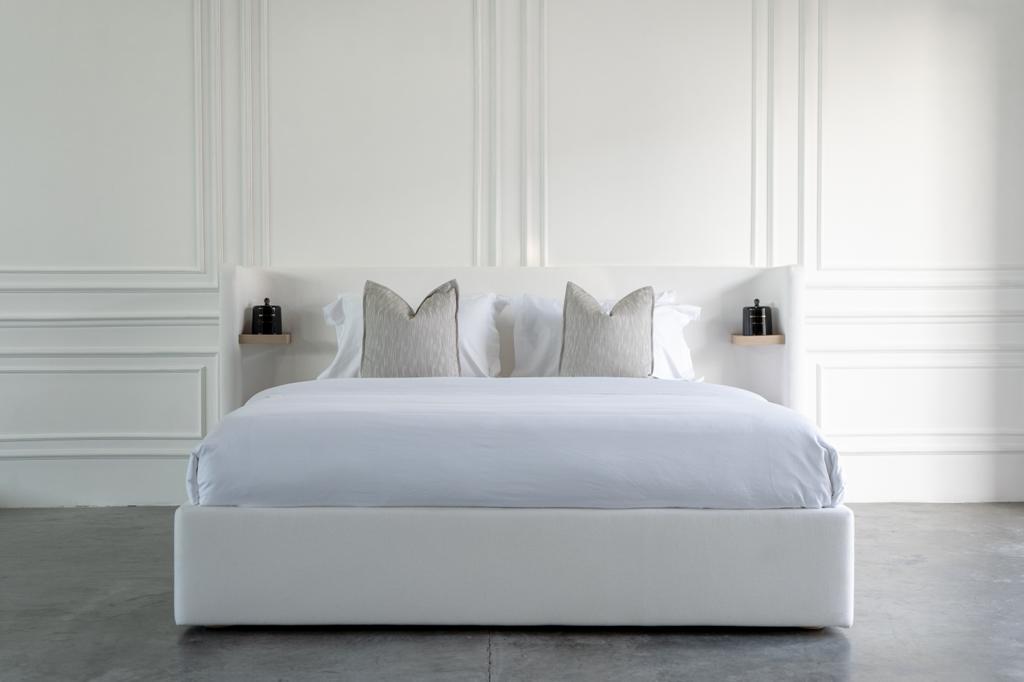
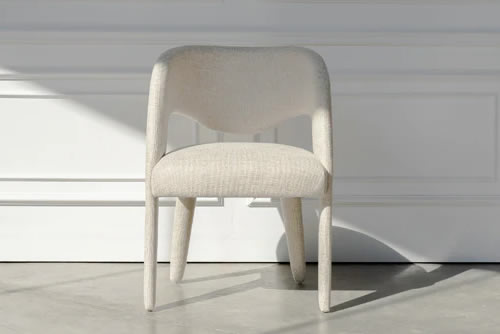
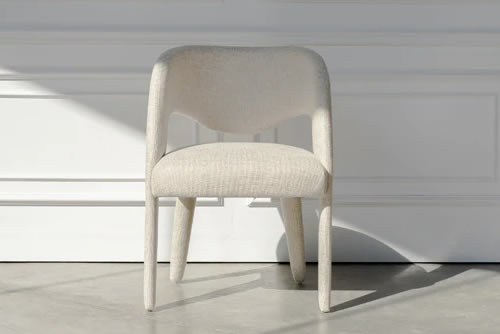


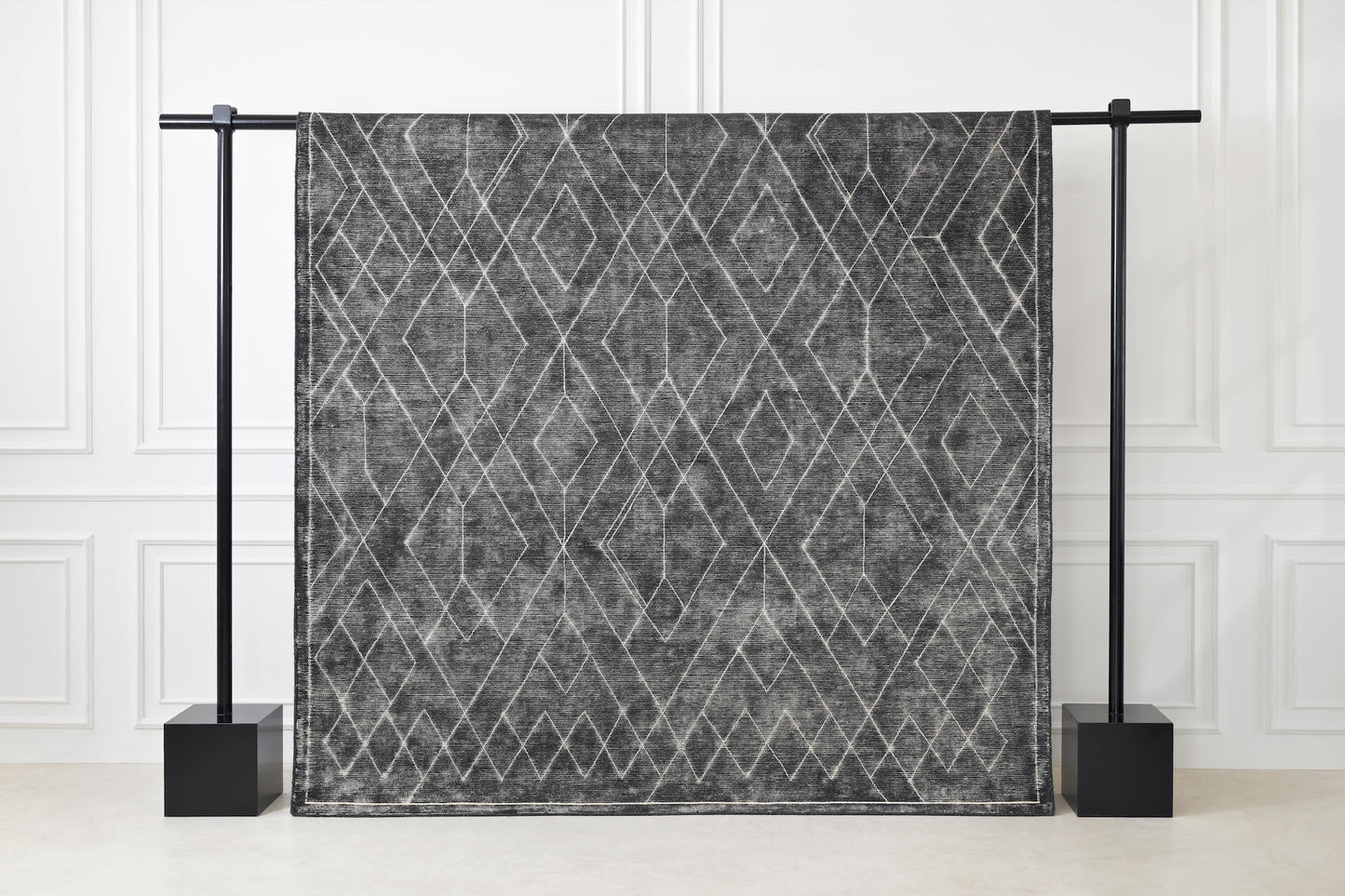

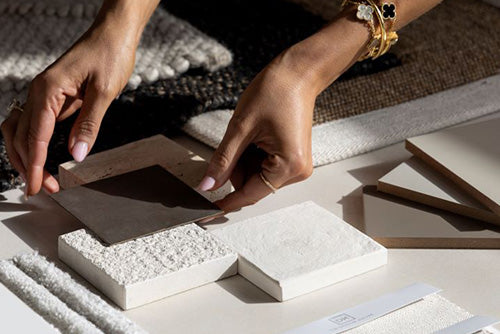




A luxury apartment in Dubai costs AED 35,000–70,000 to furnish as a studio or 1-bedroom, AED 90,000–200,000 for a 2-bedroom, and AED 200,000–450,000+ for a 3-bedroom or penthouse going fully custom. Per square foot, that's usually higher than furnishing a villa, apartments simply have less room for furniture to make sense in, which pushes more decisions toward custom sizing.
That last point is the one most people miss when they're budgeting. It's worth sitting with before we get into numbers.
Why Apartments Cost More Per Square Foot to Furnish Than Villas
A villa living room might be 40 square meters. An apartment living room might be 20. You'd assume the apartment costs half as much to furnish, and it doesn't, because the furniture in that smaller room still has to seat the same number of people, still needs storage, and still has to look finished rather than cramped.
Standard showroom furniture is sized for average rooms. When the room is smaller or an odd shape, which describes a lot of Dubai apartments, especially anything built around a curved tower or a branded-residence footprint, off-the-shelf pieces either don't fit or leave the room looking half-furnished around the edges. That gap gets closed with custom sizing, and custom sizing costs more per piece, even at a smaller scale.
So the real budgeting question for an apartment isn't "how big is my home", it's "how much of my furniture needs to be built to fit, rather than just bought."
Cost by Apartment Type (2026 Estimates)
These are realistic mid-to-premium ranges for a standard Dubai high-rise unit, covering living area, dining, bedroom(s), and basic storage. Ready-made-heavy furnishing sits at the low end; custom-heavy furnishing sits at the high end.
|
Unit type |
Ready-made-led |
Mixed (custom + ready-made) |
Fully custom |
|
Studio |
AED 25,000 – 40,000 |
AED 40,000 – 60,000 |
AED 60,000 – 100,000 |
|
1-bedroom |
AED 35,000 – 55,000 |
AED 55,000 – 90,000 |
AED 90,000 – 150,000 |
|
2-bedroom |
AED 60,000 – 90,000 |
AED 90,000 – 150,000 |
AED 150,000 – 250,000 |
|
3-bedroom / penthouse |
AED 90,000 – 140,000 |
AED 150,000 – 250,000 |
AED 250,000 – 450,000+ |
Two things worth flagging here. First, studios and 1-beds are where people most often underspend on storage, a single wardrobe budget line rarely covers what a compact unit actually needs once you account for shoes, luggage, and everything that doesn't have a drawer. Second, penthouses don't scale linearly; a penthouse with a double-height living space or wraparound terrace can push well past the range above once outdoor furniture and taller custom joinery are added.
Multi-Functional Furniture: Where Apartments Actually Save Money
This is the one lever villas don't really need and apartments do. Furniture that does two jobs, a console that becomes a bar unit, a dining table that seats four daily and eight occasionally, a bed with built-in drawer storage instead of a separate dresser, reduces both the piece count and the floor space you need to leave clear.
It's not always cheaper per item. A well-made extendable dining table often costs more than a fixed one. But it replaces the need for a second piece of furniture entirely, which is usually the better trade in a room where every extra piece eats into circulation space. In apartment projects, we'd rather spend more on fewer, smarter pieces than fill the budget with items that each do one job.
A few examples worth planning around:
- A bed frame with integrated drawer storage instead of a separate chest of drawers
- A console table that opens into a full bar or workstation
- Nesting or extendable coffee/dining tables for rooms that need to flex between everyday use and hosting
- Wall-mounted or floating TV units that free up floor space in narrow living rooms
Owner-Occupier vs Investor Furnishing: Different Budgets, Different Logic
Dubai's apartment market splits fairly cleanly into two furnishing mindsets, and it's worth knowing which one you're in before you set a budget.
If you're furnishing to live in it long-term, the budget should follow comfort and durability, spend where you spend your time, choose materials that suit how you actually use the space, and don't be afraid to go custom on the pieces you'll use daily.
If you're furnishing for rental income, especially the short-let and holiday-home market that's grown fast in Dubai, the calculation changes. Tenants and guests don't care about bespoke joinery; they care about the apartment looking sharp in photos and holding up to frequent turnover. Durable, easy-to-clean materials and a cohesive look across multiple units (if you own more than one) tend to matter more than customization. Budgets here often run lower per unit but need to account for faster wear and more frequent replacement of soft furnishings.
Neither approach is wrong. They're just solving different problems, and mixing the two logics, over-customizing a short-let unit, or under-investing in a home you'll live in for a decade, is where people usually end up unhappy with the spend.
The Part People Forget: Getting Furniture Into the Building
Villas have driveways and front doors. Apartments have freight elevators, delivery time slots, and building management approval, and this genuinely affects both cost and choice, not just logistics.
A custom sofa or wardrobe built as a single piece might not fit through a service corridor or freight lift in some Dubai towers. When that happens, it needs to be built in sections and assembled on-site, which adds cost and time that a lot of first-time apartment furnishers don't budget for. Some buildings also restrict delivery hours or require advance booking of the service lift, which can stretch a furnishing timeline by a week or two if it's not planned for upfront.
Before ordering anything large, it's worth checking three things: the freight elevator's maximum dimensions, the building's delivery policy, and whether large items need a permit or booking slot through building management. A furniture partner who's delivered into your specific tower before is worth more than their catalog price alone suggests.
Common Mistakes Specific to Apartment Furnishing
- Furnishing storage as an afterthought. Apartments have less built-in storage than villas by default, and it's usually the first thing that feels too small six months in.
- Buying furniture sized for the floor plan on paper, not the room in person. Marketing floor plans can be optically generous. Measure the actual room before ordering anything large.
- Not checking delivery logistics before committing to a custom design. A beautiful design that can't physically reach the apartment causes delays that are entirely avoidable.
- Furnishing a short-let unit like a forever home. Over-customizing an investment property that turns over tenants every few months rarely pays back the extra spend.
- Ignoring the terrace or balcony. Even a small outdoor space left bare makes the whole apartment feel unfinished in photos and in person.
How to Decide Your Budget
- Are you living here, or renting it out? Long-term living justifies more custom spend on daily-use pieces. Rental income favors durable, replaceable, photo-ready furniture.
- Where does your layout fight you? Angled walls, low bulkheads, or an awkward alcove are the rooms worth spending custom budget on. everywhere else, ready-made is often fine.
- Can everything you're ordering actually get into the building? Confirm freight lift dimensions and building delivery rules before finalizing large custom pieces.
Frequently Asked Questions
Why does furnishing a small apartment sometimes cost almost as much as a larger one?
Because cost tracks how much furniture needs custom sizing to fit the room properly, not just square footage. A compact, irregularly shaped apartment can need more tailoring than a larger, simply proportioned one.
Is it worth furnishing a rental apartment with custom furniture?
Usually only if you're renting long-term (2+ years) or living in it yourself. For short-let or high-turnover rentals, durable ready-made or semi-custom furniture is generally the better spend.
How much should I budget for storage in a Dubai apartment?
More than the room's floor space suggests. Built-in storage is often limited in apartments, so a custom wardrobe or storage wall frequently ends up being one of the larger single line items in the budget.
Do delivery restrictions really affect the cost of apartment furniture?
Yes. Furniture that needs to be built in sections to fit through a freight elevator or service corridor costs more in labor and assembly time than a single-piece delivery.
Should a studio apartment go custom or ready-made?
Mostly ready-made, with custom reserved for one or two pieces typically storage — where standard sizing wastes the most space relative to the size of the unit.
The Design House furnishes Dubai apartments for both owner-occupiers and rental portfolios, from single custom storage pieces to full unit fit-outs, and works directly with building management teams on delivery logistics for towers across the city. If you're weighing a ready-made package against a tailored fit-out for your specific apartment, a short consultation will give you real numbers rather than a general range.
Showroom:
22nd St - Al Quoz - Al Quoz Industrial Area 3 - Dubai, UAE
Phone:
+971 50 111 6506
Email:
info@thedesignhousedubai.com