









Dubai's interior design scene moves fast, and the furniture partner behind a project often makes or breaks the timeline. Villas, hotels, offices, and show apartments rarely need "a few nice pieces" they need a furniture company that can work hand-in-hand with an interior designer from concept sketch to final installation, matching a mood board, a budget, and a deadline all at once.
Not every furniture retailer is built for that. Full-project collaboration requires in-house design teams, workrooms that can build to custom specifications, fabric libraries deep enough to match any palette, and project managers who can coordinate delivery across a multi-unit development. This is the layer that separates a showroom from a true furniture partner.
This guide looks at what "working with interior designers on full projects" actually means in Dubai, how the collaboration typically unfolds, and where bespoke, handmade pieces sofas in particular, fit into that process as one of the most requested custom elements on any project. Companies like The Design House are built specifically around this kind of collaboration, offering both bespoke manufacturing and the staging and styling services that designers rely on to take a project from empty shell to finished space.
Also Read: From Concept to Installation: How The Design House Supports Interior Design Projects in Dubai
What Does It Mean for a Furniture Company to "Work With" Interior Designers?
When a furniture company partners with an interior designer on a full project, the relationship usually covers more than a single order. It typically includes:
- Trade or trade-plus accounts with pricing structured for designers ordering at scale, not individual retail buyers.
- Dedicated project managers who track every item across a job sofas, dining sets, case goods, soft furnishings so the designer isn't chasing multiple suppliers.
- Custom manufacturing capability, so a piece can be resized, reupholstered, or rebuilt to match a specific layout, ceiling height, or client brief.
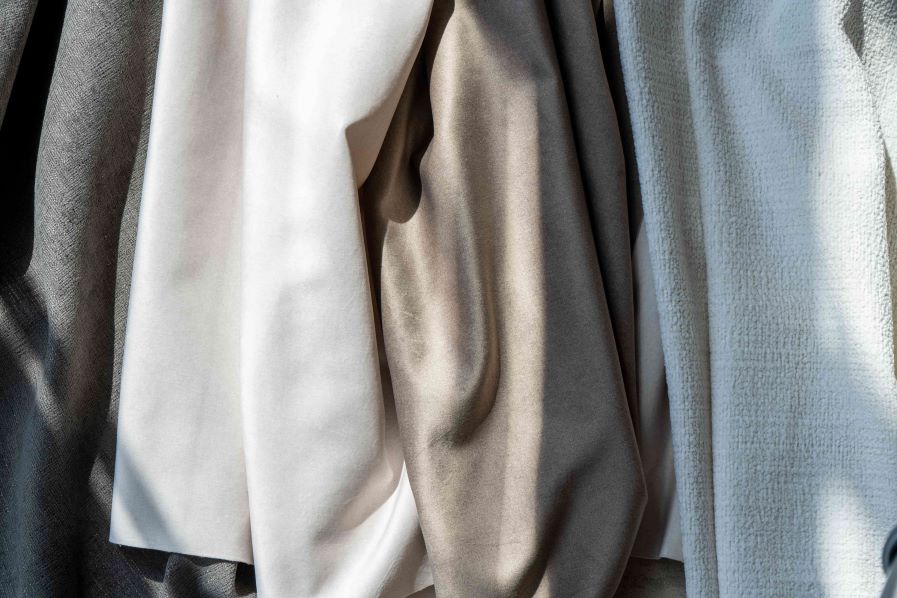
- Material and fabric libraries are broad enough to match a designer's palette rather than forcing the designer to work around a fixed catalog.
- Coordinated logistics, since Dubai projects often mean staged delivery across multiple floors, villas, or units, sometimes with strict building management windows.
- After-sales and snagging support, because a furnished project isn't complete until every piece has passed final inspection.
Furniture companies that offer this combination position themselves as an extension of the design studio rather than a one-off vendor. That's the distinction interior designers in Dubai are actually looking for when they say they need a "furniture partner," not just a furniture supplier.
Types of Dubai Furniture Companies That Support Full Projects
Rather than naming a fixed list (which changes as the market grows), it helps to know the categories of furniture companies operating in Dubai that typically support full-project collaboration:
- Bespoke and custom furniture workshops — These operate their own ateliers or workrooms in Dubai, allowing full control over dimensions, materials, and finishes. They're the go-to for anything that needs to be built from scratch, including handmade sofas, joinery, and statement pieces.
- Luxury multi-brand furniture showrooms — These represent a portfolio of international and regional brands and can furnish an entire project from one point of contact, blending ready-made collections with made-to-order pieces.
- Contract and hospitality furniture suppliers — Focused on hotels, serviced apartments, and commercial fit-outs, these companies are built around FF&E (furniture, fixtures & equipment) packages and large-volume procurement.
- Design-led studios with in-house manufacturing — Smaller in scale but often more flexible, these studios combine design consultation with production, making them well suited to villas and boutique residential projects where every piece needs a custom touch.
Interior designers often work with more than one of these in parallel on a single project a contract supplier for volume items, and a bespoke workshop for signature pieces like a custom sofa, a statement console, or built-in seating.
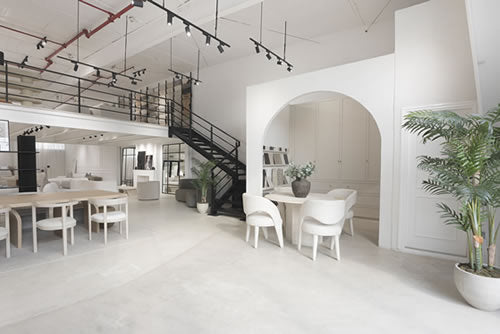
Some furniture partners also extend beyond furnishing into presentation, offering home staging for show units and model apartments, or furnished-to-sell packages for developers and agents looking to furnish a property specifically to help it sell faster. For a designer managing a project end to end, having one partner who can cover custom manufacturing, staging, and sale-ready furnishing removes a layer of coordination that would otherwise sit across three separate vendors.
Bespoke Furniture as the Signature Layer of a Project
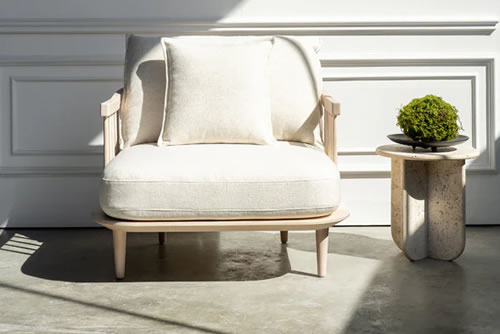
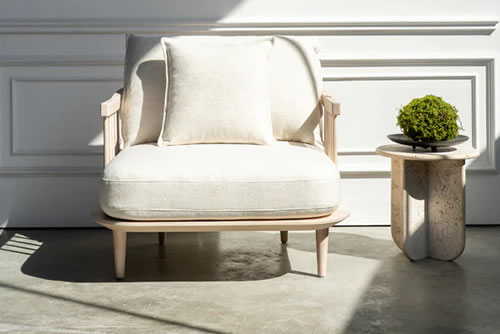
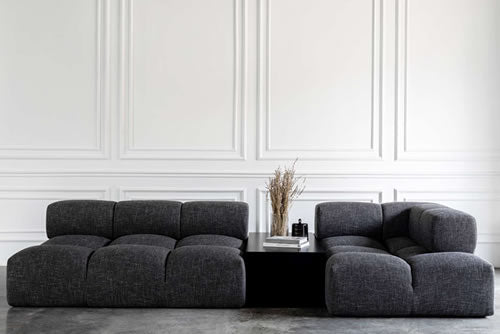
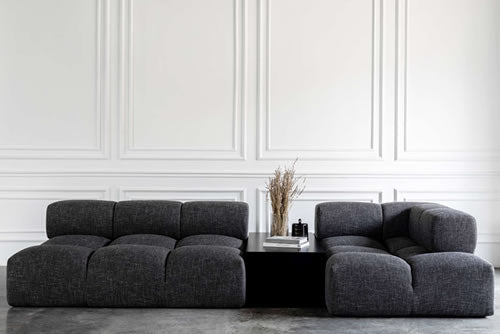
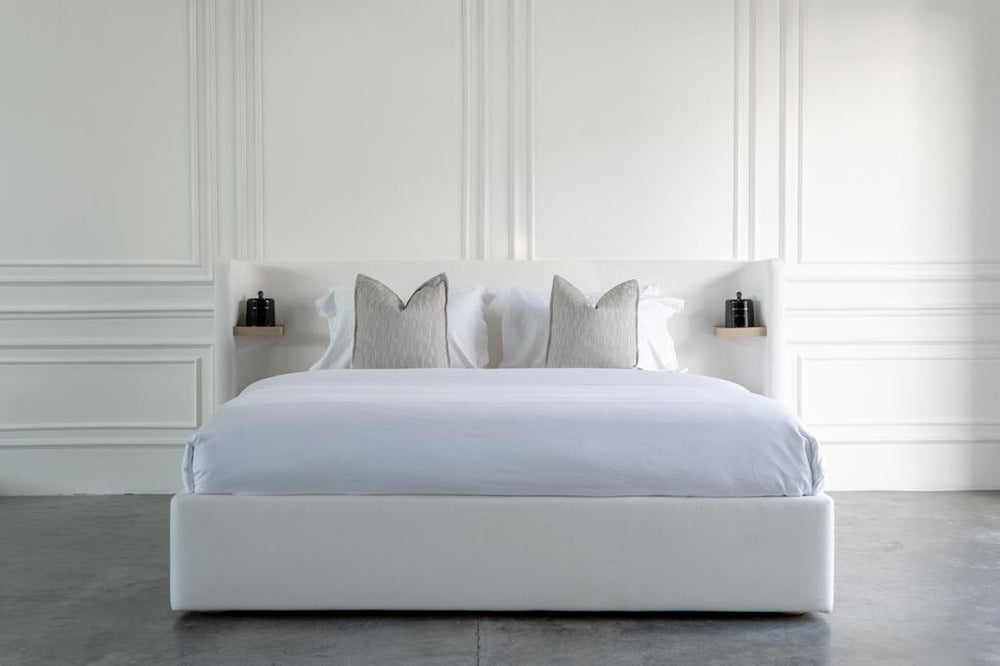
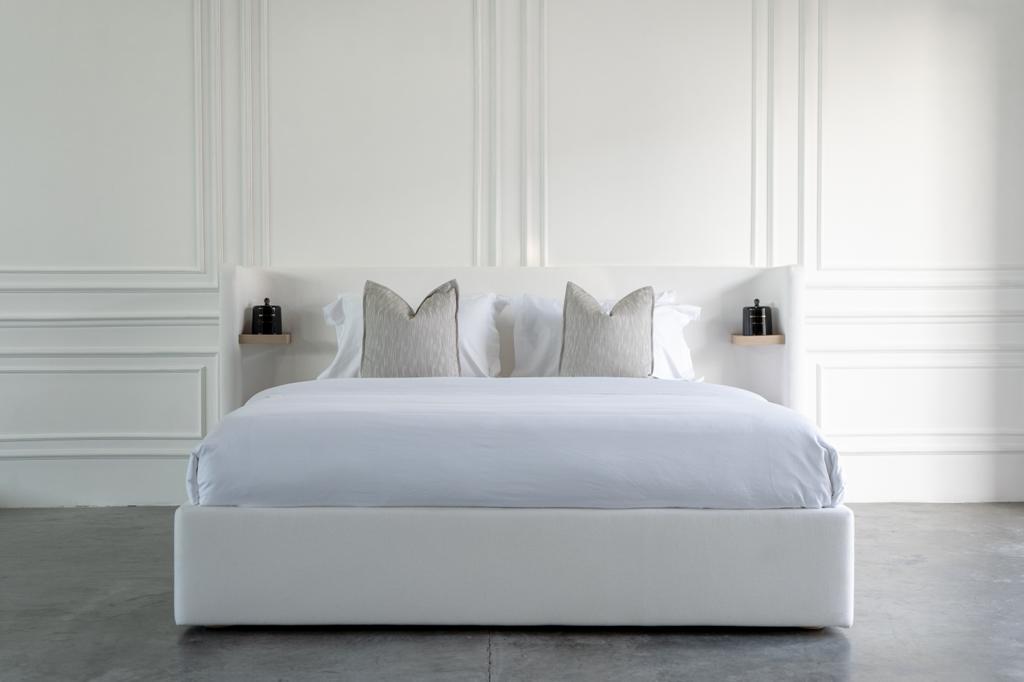
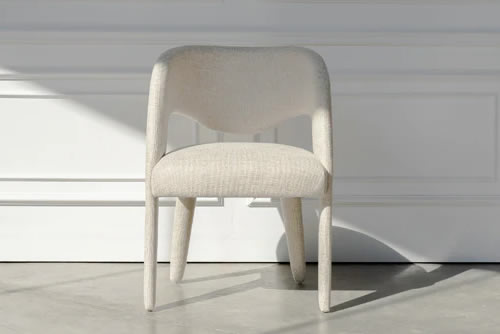
Almost every full furnishing project includes at least one piece that can't come off a shelf a sofa sized to an unusual living room, a sectional that needs to wrap around a specific column, or a headboard that has to match a client's exact vision. This is where bespoke manufacturing becomes part of the furniture partner's value, and the sofa is usually the clearest example of how that process works. The Design House's bespoke furniture collection is a good illustration of how this is typically structured, with sofas, joinery, and statement pieces built to order alongside a project's other furnishing needs.
What Does "Bespoke Sofa" Actually Mean?
A bespoke sofa is one designed and built to order, rather than selected from a fixed range. Instead of choosing from pre-set sizes and finishes, the client (or their designer) works with the manufacturer to define the dimensions, frame construction, seat depth, arm style, cushion fill, and fabric or leather, often down to the stitching detail. It's the difference between buying a sofa and commissioning one.
In a Dubai project context, this usually happens when:
- The space has non-standard dimensions (an unusually long living room, a curved bay window, a low ceiling height).
- The designer wants a piece that doesn't exist in any current collection.
- The client wants a specific fabric, leather, or finish not available on a stock model.
- The sofa needs to match other bespoke joinery or furniture already being built for the same room.
How the Bespoke Sofa Ordering Process Typically Works
- Brief and consultation — The designer or client shares the space dimensions, style direction, and functional needs (seating capacity, use case, any specific mechanisms like recliners or pull-out beds).
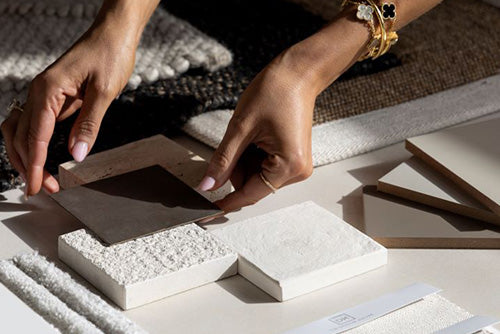
- Concept and material selection — The workshop proposes a frame style and silhouette, and the client selects fabric, leather, or a combination, along with cushion fill (foam, feather, or a blend) and leg or base finish.
- Technical drawing and approval — A scaled drawing or 3D render is produced showing exact dimensions, and the client signs off before production starts.
- Frame construction — Skilled joiners build the internal frame, typically in solid wood, which determines the sofa's long-term structural durability.
- Upholstery and detailing — The frame is padded, sprung, and upholstered by hand, with attention to seam placement, piping, and fabric pattern matching.
- Quality check — The finished piece is inspected for stitching consistency, cushion firmness, and finish before it leaves the workshop.
- Delivery and placement — The sofa is delivered and positioned on site, often as part of a larger installation schedule alongside the rest of the project's furniture.
Lead times for a genuinely handmade, made-to-order sofa in Dubai typically run several weeks to a few months, depending on fabric availability and the complexity of the design which is why designers usually order bespoke seating early in the project timeline.
Benefits of a Handmade Bespoke Sofa
- Exact fit for the space, rather than a compromise on size or proportion.
- Material freedom — any fabric, leather, or finish combination the project calls for.
- Construction quality, since handmade frames and hand-tied or pocket-sprung seating tend to hold their shape and comfort longer than mass-produced alternatives.
- Design cohesion, allowing the sofa to match bespoke joinery, curtains, or cabinetry elsewhere in the room.
- A piece with a story — many buyers value knowing exactly who built the piece, from what materials, and why those choices were made.
How Luxury Brands Ensure Quality and Storytelling in Bespoke Work
Established luxury furniture makers treat quality control as a series of checkpoints rather than a single inspection at the end. That usually includes sourcing traceable, high-grade timber and upholstery materials, using experienced in-house craftspeople rather than outsourced labor, and testing frame joints and spring tension before final upholstery. Many brands also document the making process, the wood species used, the upholsterer's technique, the origin of the fabric, and share that narrative with the client, turning the sofa into a piece with a documented provenance rather than an anonymous product. For a designer, this storytelling also becomes part of the client presentation: a bespoke piece is easier to justify at a premium price point when its craftsmanship story is clear.
What to Know Before Ordering a Handmade Bespoke Sofa
- Confirm the frame material — solid hardwood frames generally outlast softwood or particleboard.
- Ask about the suspension system — pocket springs or webbing typically offer better long-term support than foam alone.
- Understand the lead time and build it into the project schedule, since bespoke pieces cannot be rushed without affecting quality.
- Order fabric samples in the actual room lighting, since color can shift significantly under different light conditions.
- Clarify the return and adjustment policy, since made-to-order pieces are usually final sale once production begins.
- Check delivery access, oversized bespoke sofas sometimes need to be built in sections to fit through doorways or elevators.
Choosing the Right Fabric for a Bespoke Sofa
Fabric choice should balance look, feel, and durability:
- Household use — Homes with children or pets generally benefit from performance fabrics or aniline-treated leathers that resist stains and wear.
- Climate — In Dubai's climate, breathable weaves and moisture-resistant materials perform better than heavy fabrics that trap heat.
- Rub count — For upholstery expected to see daily use, a higher rub count (a measure of abrasion resistance) indicates better durability.
- Color and light — Testing swatches against the room's actual daylight and evening lighting avoids surprises after the sofa is delivered.
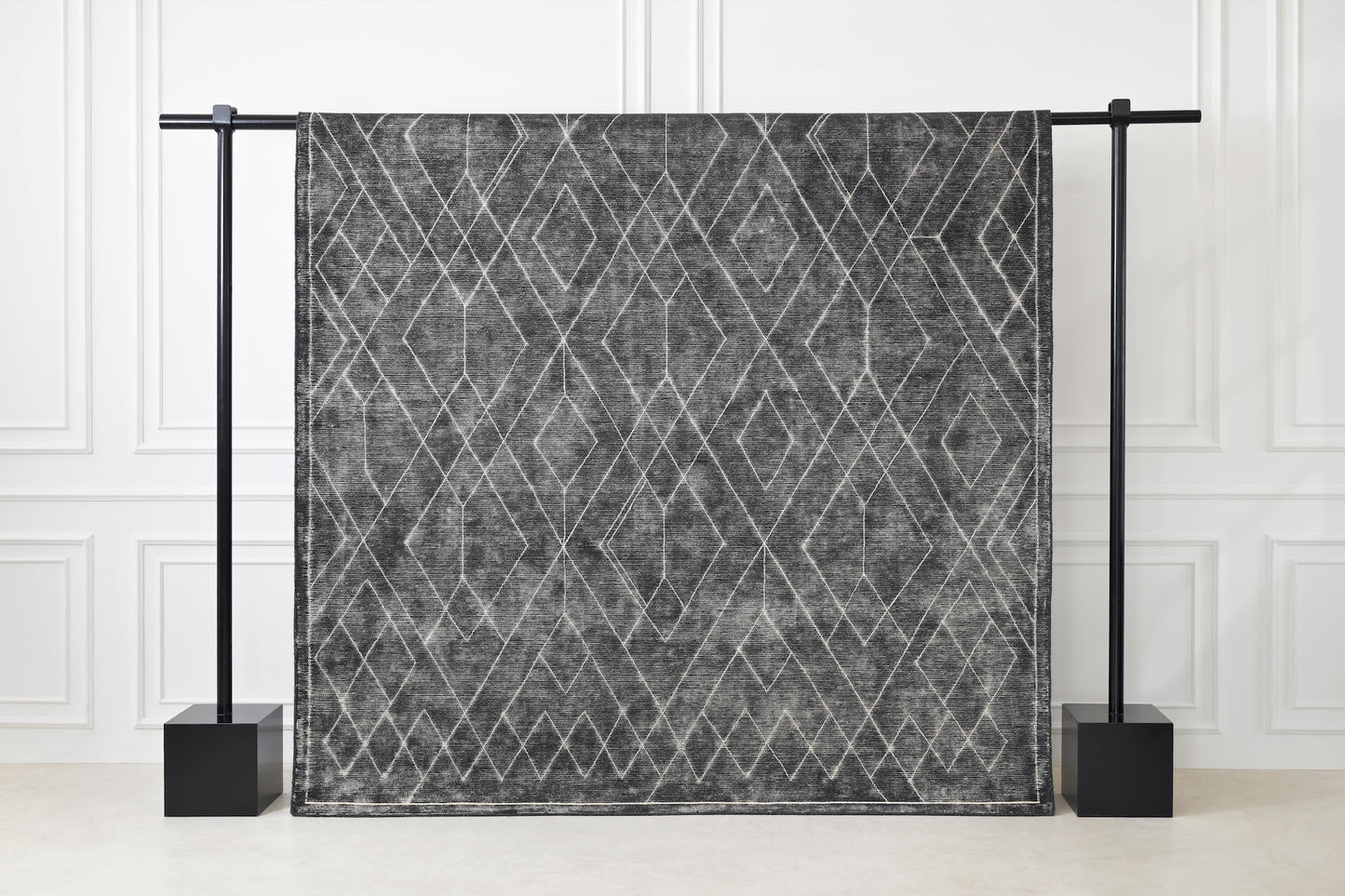
- Coordination — The fabric should work alongside existing rugs, curtains, and joinery finishes rather than being chosen in isolation.
Is a Handmade Bespoke Sofa a Good Long-Term Investment?
For projects where the piece will be a focal point or see daily heavy use, a well-made bespoke sofa is generally a stronger long-term investment than a mass-produced alternative. Solid frame construction and quality upholstery hold their shape and comfort over more years of use, and the ability to reupholster a good frame later, rather than replacing the entire piece, extends its usable life considerably. That said, the investment case depends on maintaining realistic expectations about lead time and cost; bespoke work is priced for craftsmanship and customization, not for the fastest or cheapest way to fill a room.
How This Fits Into a Full Project
For an interior designer running a full villa, apartment, or hospitality project in Dubai, the furniture partner's ability to deliver bespoke pieces alongside ready-made collections is often the deciding factor in who gets the job. A single sofa commission is straightforward; managing bespoke seating, custom joinery, and ready-made pieces across an entire property, on one timeline, with one point of contact is what separates a true full-project furniture partner from a showroom that simply sells items one at a time.
This is also where the scope of collaboration can widen beyond furniture alone. A developer preparing units for sale might lean on a furnished-to-sell package to present a property at its best, while a designer launching a show apartment might need home staging support to style a space for viewings before a permanent furniture plan is finalized. Having a single partner capable of moving between bespoke manufacturing, staging, and full furnishing means a project doesn't lose momentum switching between vendors at each stage.
FAQs
How does the bespoke furniture process work in Dubai?
It generally starts with a design brief and space measurements, moves into material and finish selection, then a technical drawing for client approval, followed by handmade construction, quality inspection, and coordinated delivery to site.
Can a furniture company make pieces to specific measurements?
Yes, this is the core of bespoke manufacturing. Workshops that offer true custom production will build to the exact dimensions of a room, doorway, or layout rather than offering only standard sizes.
What should you consider before ordering bespoke furniture?
Frame and material quality, realistic lead times, fabric performance for the intended use, delivery and access logistics, and the manufacturer's policy on changes once production has started.
How do you choose the right fabric for a custom sofa?
Match the fabric to household use (durability and rub count), the local climate (breathability), and the room's actual lighting, while making sure it coordinates with the rest of the project's palette.
How long does bespoke furniture usually take to produce?
It varies by complexity and fabric availability, but handmade, made-to-order pieces typically take several weeks to a few months — which is why designers build bespoke items into the project timeline early.
What happens during furniture delivery and installation?
Pieces are delivered on a scheduled date, often coordinated with building access windows, then positioned, inspected on site, and adjusted or snagged if any issue is found before final sign-off.
Is bespoke furniture worth the investment?
For statement pieces or items that will see daily use, yes, the combination of exact fit, material quality, and construction durability generally justifies the higher upfront cost compared to mass-produced alternatives.
Can interior designers order multiple custom pieces for one project?
Yes, this is standard for full projects. A single furniture partner with in-house manufacturing can typically produce multiple bespoke pieces (sofas, joinery, headboards, and more) under one coordinated timeline rather than requiring separate orders from different workshops.