



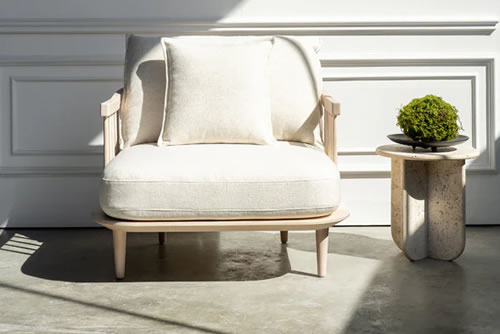
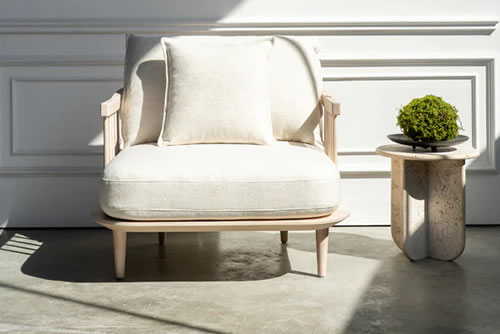
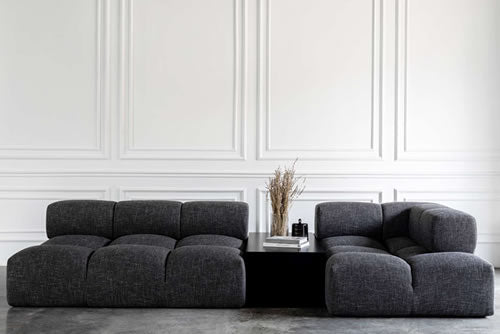
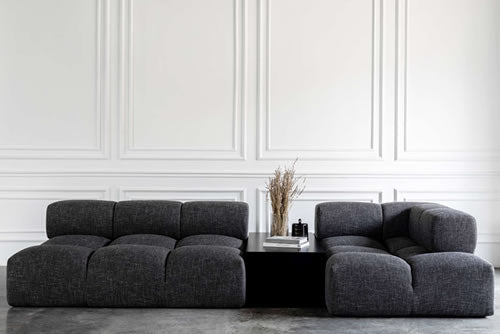
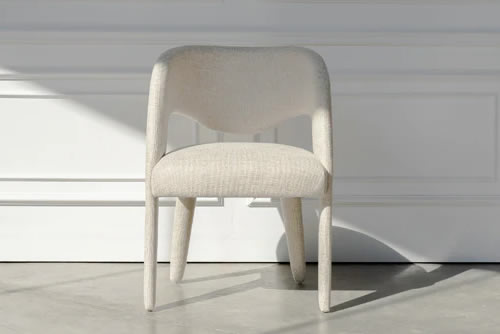
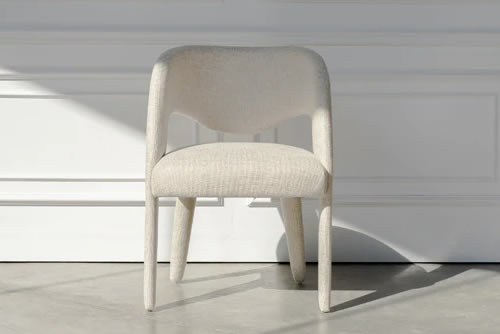


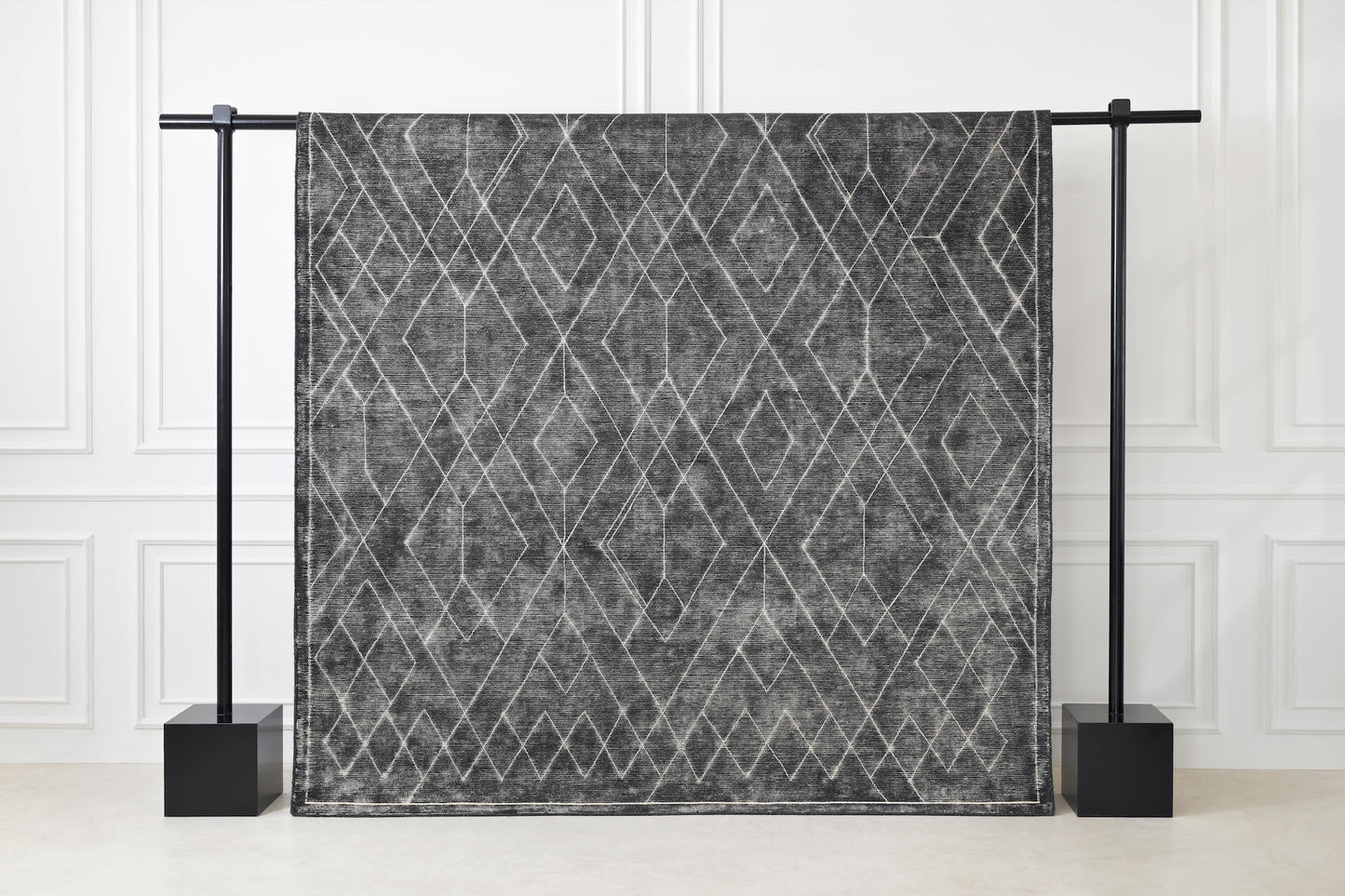

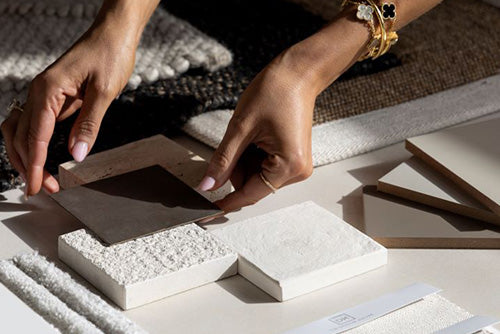


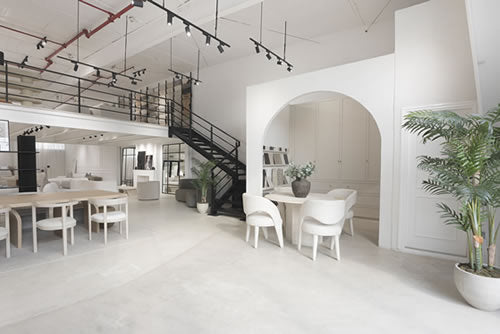
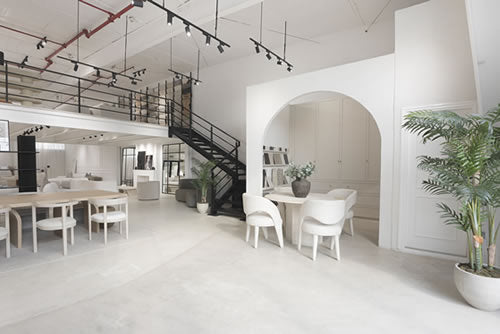


An empty room almost always looks bigger and more flexible than it actually is, because without furniture as a size reference, most people can't accurately judge scale. The fix is simple: bring real measurements with you, picture actual furniture footprints rather than vague "it'll fit" instinct, and pay close attention to where natural light falls and where traffic naturally flows through the room, since these are the details a good stager is trained to read and most first time viewers miss entirely.
We stage and furnish properties across Dubai for a living, from investor resales to full villa fit outs, so we see this exact gap play out constantly. A vacant unit and a furnished one can be the same square footage and leave two completely different impressions, and that gap is almost entirely about perception, not actual space.
Why empty rooms trick your eye
Without a sofa, bed, or table to compare against, your brain has nothing to measure the room by, so it defaults to guessing, and it usually guesses wrong in the optimistic direction. This is exactly why professionally staged properties tend to move faster and hold their asking price better in Dubai's market, buyers can see the life the space actually supports instead of doing that imaginative work themselves. An empty living room might look spacious enough for a large sectional and a dining set, when in reality there's barely room for a three seater and a coffee table once you account for walking space.
Bring real numbers, not instinct
Before viewing an unfurnished unit, it helps to know the rough footprint of the furniture you already own or plan to buy. A standard three seater sofa typically runs close to 2 metres in length, an L shape configuration needs meaningfully more floor depth than people expect, and a 6 seater dining table generally needs at least 3 metres of clear length once chairs are pulled out. Walking into a room with those numbers in mind, rather than a general sense of "looks big enough," is the single most useful habit you can bring to a viewing.
If you're weighing a sectional against a straight sofa and a couple of accent chairs for a specific room, our Sofas collection is a useful way to see real dimensions side by side before you commit to either footprint on paper.
Read the light the way you would with furniture already in the room
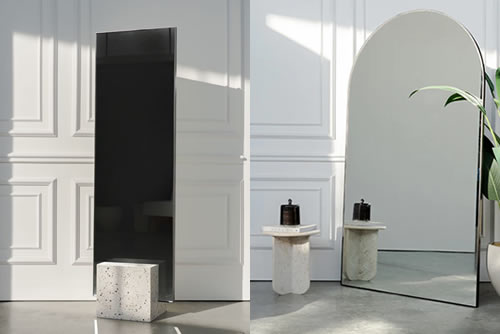
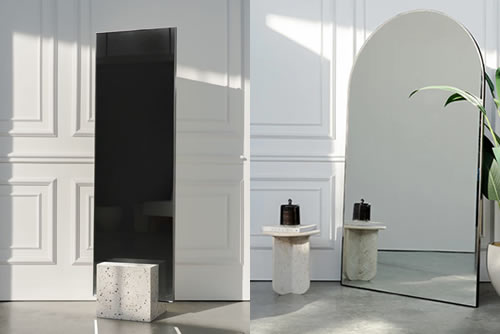
An empty room shows you where the windows are, but it doesn't show you how the light actually plays out once furniture is in place. A dark corner that looks fine when the room is empty can feel noticeably gloomy once a large piece blocks part of the window's reach. Stand where your main seating would go, not just in the doorway, and picture how much daylight is actually left in that spot. If you're unsure, a well placed mirror from our Mirrors collection is one of the simplest ways to push more of that light back into a room that reads a little dark on viewing day.
Picture traffic flow, not just floor space
A stager isn't just thinking about how much furniture fits, they're thinking about how people will actually move through the room once it does. Stand at the main entrance to each room and mentally trace the path to the window, the bed, or the seating area. If that imagined path already feels tight with nothing in the room yet, it will feel considerably tighter once real furniture, even well chosen furniture, is in place.
This matters most in open plan living and dining areas, which are common across Dubai apartments and villas, since without walls to define where one zone ends and the other begins, furniture placement is often the only thing doing that job. A Dining Tables chosen for the wrong footprint can end up blocking the natural path between the kitchen and the living area, which is a mistake that's much harder to spot in an empty room than a furnished one.
Check storage the way you'll actually use it
Built in storage always looks generous when it's empty. Open every wardrobe and cabinet during the viewing and picture it half full rather than bare, since that's the state you'll actually be living with. If storage feels tight even with nothing in it yet, it's worth planning for a freestanding piece, like a Sideboard in the living or dining area, rather than assuming built in space alone will be enough once you've actually moved in.
For sellers and investors, this cuts both ways
If you're the one selling rather than buying, the exact same blind spot works in your favour, or against you, depending on how the property is presented. An unfurnished listing asks every single viewer to do this imaginative work themselves, and most won't do it well, which is a large part of why professionally furnished resale units tend to sell faster and closer to asking price than vacant ones. This is precisely the gap our furnished to sell service is built to close for investors and developers, staging a property properly removes the guesswork for the buyer entirely, rather than leaving it to chance on viewing day.
FAQs
Why does an empty room look bigger than it actually is?
Without furniture to compare against, your brain has no reliable size reference, so most people default to overestimating how much space is genuinely usable. This is a well known effect in real estate staging, which is exactly why furnished units are generally easier for buyers to judge accurately.
Should I bring furniture measurements to a property viewing?
Yes, it's one of the most useful things you can do. Knowing the rough footprint of your key pieces, a sofa, a bed, a dining table, turns a vague impression of the room into an actual test of whether your furniture will genuinely fit and function there.
Does staging really help sell a property faster in Dubai?
Professionally staged and furnished properties are widely recognised in Dubai's market as moving faster and holding asking prices better than unfurnished equivalents, since staging removes the imaginative work a buyer would otherwise have to do on their own.
What's the easiest way to make a room look bigger during a viewing or a sale?
Good natural light, a clear traffic path through the room, and furniture chosen at the right scale for the space all help considerably, a mirror positioned to reflect light, for instance, is a small addition that noticeably changes how open a room feels.
Is it harder to judge a villa or an apartment when it's unfurnished?
Villas are often harder, since room shapes and proportions tend to be less standardised than apartment floor plans, which makes it even more important to bring real measurements rather than relying on a general sense of scale.