









Most sofas need replacing somewhere between 7 and 15 years, but the honest range depends far more on how the sofa was actually built than on the calendar. A well made frame with dowelled joints and high resilience foam can comfortably outlast 15 years with normal daily use, while a sofa built on a stapled particle board frame with low density foam can start sagging and losing shape in as little as 3 to 5 years, even with careful use. The construction underneath the fabric matters more than the age on paper.
We build sofas for a living, so we see the inside of a lot of frames, not just the finished fabric everyone else judges a couch by. What follows is based on the build differences we actually see between a sofa that holds up and one that doesn't, not a generic estimate pulled from an average.
What actually determines how long a couch lasts
Three things decide a sofa's real lifespan far more than brand or price alone.
Frame material matters first. Hardwood frames, kiln dried oak or beech in particular, resist warping and joint failure for years longer than softwood or particle board frames, which tend to flex and loosen under regular use. Joint construction matters just as much, dowelled or screwed joints hold their shape under repeated weight far better than stapled construction, which is one of the fastest ways a sofa frame starts to creak and shift within its first couple of years.
Foam density is the third and most underrated factor. High resilience foam holds its shape and support for years, while low density foam compresses permanently within months of regular sitting, which is exactly why a sofa can look fine in photos after a year but feel noticeably sunken in person. If you're comparing two similar looking sofas at very different price points, foam density is usually where that price difference is actually going.
Signs your couch needs replacing, not just re covering
A few signs point clearly toward replacement rather than a simple clean or a new cover.
If the cushions no longer spring back after sitting and stay visibly compressed, the foam has likely broken down past the point a new cover would fix. If the frame creaks, wobbles, or shifts when you sit down, that's a structural issue underneath the fabric, and reupholstering won't solve a frame problem. If you notice the sofa sagging unevenly in the seats you use most, that's usually foam or spring fatigue rather than a fabric issue.
On the other hand, if the frame still feels solid and the foam still has bounce, but the fabric has simply worn, faded, or stained beyond cleaning, reupholstering is often the smarter and cheaper option over full replacement.
Why Dubai's climate speeds this timeline up
Constant air conditioning keeps indoor humidity low year round, which dries out natural fibres and adhesives faster than in more humid climates, occasionally shortening the realistic lifespan of a lower quality frame by a couple of years compared to the same piece in a more temperate environment. Strong, direct sun through floor to ceiling windows, common across a lot of Dubai apartments and villas, also fades fabric and can dry out certain leathers faster on the side of the room that gets the most afternoon light.
This is part of why we build with performance fabrics and solid hardwood frames as standard rather than as an upgrade, since the everyday conditions in most Dubai homes ask more of a sofa's construction than a milder climate would.
How build quality changes the real cost per year
A sofa that costs more upfront but lasts twice as long often works out cheaper per year of use than a budget option replaced twice in the same period, once you factor in the cost and hassle of buying, delivering, and disposing of a second sofa. This is worth thinking through honestly rather than defaulting to the lowest upfront price, especially for a piece that sees daily use for years.
If you're deciding between a plush, deep seated option and something more structured, our What Is a Cloud Sofa guide breaks down where feather filled cushions genuinely hold up well long term and where they need a bit more care to stay looking right.
What to look for when you do replace it
Once a sofa is genuinely past its usable life, the replacement decision comes down to matching build quality to how the room actually gets used. A busy family living room benefits from higher resilience foam and durable performance fabric, while a formal or lower traffic sitting room has more flexibility for plush, deep seated comfort.
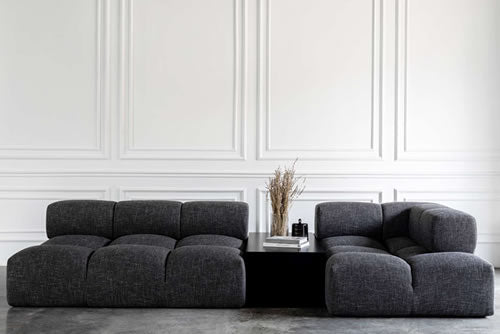
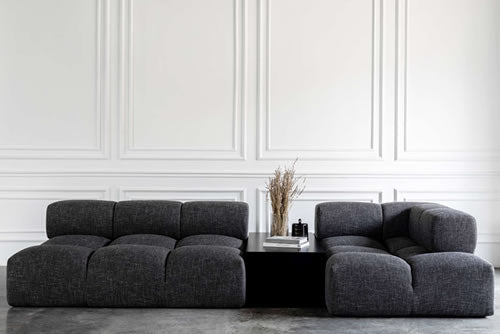
Our Sofas collection covers both ends of that range, from the deep, feather cushioned comfort of the Cloud Sofa to the cleaner, more structured lines of a tailored L Shape Sofa, and every piece is made to order in our own workshop, so frame, foam, and fabric are decisions we make deliberately rather than settled by whatever a factory had in stock. If your household needs flexibility more than a fixed shape, our Modular Sofas range lets individual sections be replaced or reconfigured over time rather than committing to one fixed footprint for the sofa's whole lifespan.
Our take
We'd rather tell a client honestly that their current sofa just needs reupholstering than sell them a full replacement they don't actually need, and equally, we'd rather flag a failing frame early than let a client keep sinking money into recovering a sofa that's already past saving structurally. If you're not sure which category your current sofa falls into, our team can usually tell within a few minutes of looking at the frame and foam in person.
FAQs
How long should a good quality sofa last?
A well built sofa with a hardwood frame, dowelled joints, and high resilience foam can reasonably last 15 years or more with normal use, while lower quality construction can start showing serious wear in as little as 3 to 5 years.
Is it cheaper to reupholster a sofa or replace it?
It depends on the condition of the frame and foam underneath. If those are still structurally sound, reupholstering is usually cheaper than full replacement. If the frame creaks or the foam has permanently compressed, replacement is generally the better long term value.
Does Dubai's climate affect how long a sofa lasts?
Yes. Constant air conditioning and low indoor humidity can dry out natural fibres and adhesives faster than in more humid climates, and strong direct sun through large windows can fade fabric and dry certain leathers more quickly on sun facing walls.
What's the biggest sign a sofa needs replacing rather than just cleaning?
A frame that creaks, wobbles, or shifts when you sit down is the clearest sign, since that points to structural wear that cleaning or reupholstering won't fix.
Are more expensive sofas always better quality?
Not automatically, but price often reflects frame material, joint construction, and foam density, the same factors that separate a sofa that holds its shape for over a decade from one that sags within a couple of years.
How often should a family sofa be replaced compared to one in a formal sitting room?
A frequently used family sofa generally shows wear faster and may need replacing or reupholstering sooner than a lower traffic formal sofa, simply due to the difference in daily use, even if both were built to the same quality standard originally.