










Most people ask this question after living in a home for a year or two and realizing something feels off. The layout looks fine in photos, but the rooms don't actually support how the family moves through the day. At The Design House, this is the question we hear most often from clients in Dubai, usually right after a big renovation goes wrong or a new apartment starts feeling cramped despite its size.
The honest answer is that matching a home to your lifestyle has less to do with style boards and more to do with how you actually use space, hour by hour. Here is how we approach it with clients, along with a simple tool you can use yourself.
Start with how rooms are actually used, not how they were designed to be used
Across the projects we've completed in Dubai over the past few years, we noticed a pattern that surprised even us. In roughly two out of every three homes we assessed before renovation, at least one "main" room, usually a formal living room or a study, was used less than once a week. Meanwhile, the kitchen island or a small corner near the entrance had quietly become the real center of daily life.
This gap between intended use and real use is the single biggest reason homes feel misaligned with lifestyle. A house can be beautifully designed and still fight against how a family actually lives in it.
To find this gap in your own home, try what we call a room use audit. For seven days, note down every time you spend more than ten minutes in a room and what you were doing there. At the end of the week, you will usually see two or three rooms doing almost all the work, and one or two doing almost none. Those underused rooms are your biggest opportunity.
Use a simple scoring model instead of a mood board
Before we ever talk about colors or furniture with a client, we walk through what we call the Lifestyle Fit Score, a framework we built internally after noticing how often style conversations happened before function conversations, which usually led to expensive changes later.
The model scores a home across four areas, each from one to five:
Movement, meaning how easily people and daily items move between entry, kitchen, and bedrooms without backtracking.
Rest, meaning whether there is a quiet space that is genuinely separated from noise and traffic.
Work, meaning whether there is a dedicated spot for focused tasks that does not get taken over by household clutter within a month.
Hosting, meaning how well the home handles guests without requiring a full reset of every room.
Most homes we assess score high on one or two of these and low on the rest, because the original layout was designed around a generic idea of a family rather than the specific one living there. A couple who works from home most days and rarely entertains needs a completely different balance than a family that hosts every weekend.
Once you know your weak areas, the design decisions become much clearer. A low Rest score often points to a bedroom that doubles as storage. A low Work score usually means the desk ended up in a hallway or a shared room where it competes for attention.
Design around your actual weekly rhythm
Lifestyle is not a fixed thing, it changes across the week. A home office that needs to disappear into a guest room on weekends is a different design problem than one that stays permanent all week. Kitchens for households that cook daily need different storage and counter flow than kitchens used mainly for quick meals and delivery.
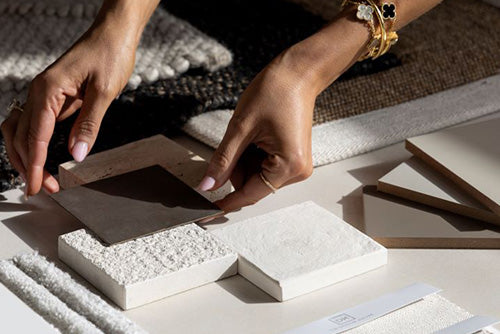
When we design with clients, we ask them to sketch a rough weekly rhythm, mornings, evenings, and weekends, before we touch a single material sample. It sounds basic, but it is the step most homeowners skip, and it is the one that prevents the most regret later.
Let the numbers guide the budget, not the trend
One thing our audits consistently show is that clients often spend the largest share of their renovation budget on the room with the lowest weekly use. It happens because formal living rooms and guest areas photograph well and feel important, even when they are barely lived in. Redirecting even a portion of that budget toward the room your Lifestyle Fit Score marks as weakest, whether that is a proper home office or a quiet reading corner, tends to produce a home that feels noticeably better within weeks, not years.
Bringing it together
Designing a home around your lifestyle is really a measurement problem before it becomes a style problem. Track how your rooms are actually used, score your home honestly across movement, rest, work, and hosting, and build your weekly rhythm into the layout rather than fitting your life around a fixed floor plan.
If you want to see how this approach plays out in real homes across Dubai, our team regularly shares project breakdowns and design decisions on our blog at The Design House blog. It's a good place to see the Lifestyle Fit Score applied to actual spaces rather than in theory.
Frequently asked questions
How do I know if my home doesn't match my lifestyle?
The clearest sign is a room you avoid. If there is a space in your home that you rarely sit in, cook in, or work from, that is usually a mismatch between how the home was designed and how you actually live. Running a simple room use audit for a week will show you exactly where this gap exists.
Is the Lifestyle Fit Score something I can do on my own, or do I need a designer?
You can absolutely score your own home using the four areas, movement, rest, work, and hosting. Scoring is not the hard part. The hard part is turning a low score into a workable layout without creating new problems elsewhere, which is where working with a designer usually saves both time and budget.
How often should I reassess my home's lifestyle fit?
Any time your routine changes in a real way, a new baby, a shift to working from home, a child moving out, or more frequent hosting, it is worth running the audit again. Most families only think about redesigning after years of discomfort, but a quick reassessment every couple of years catches small mismatches before they become expensive ones.
Does this approach work for small apartments, or only larger homes?
It works especially well for smaller spaces. When square footage is limited, every room has to earn its place, so knowing exactly how you use your time at home becomes even more important than in a large villa where underused rooms are easier to ignore.
What is the biggest mistake people make when trying to match their home to their lifestyle?
Starting with style rather than function. Choosing colors, furniture, and finishes before understanding how the space will actually be used almost always leads to a home that looks good in photos but does not hold up to daily life.
Visit our showroom
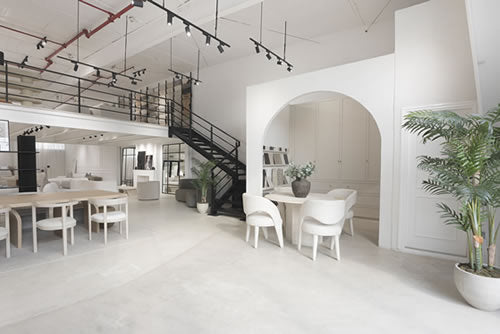
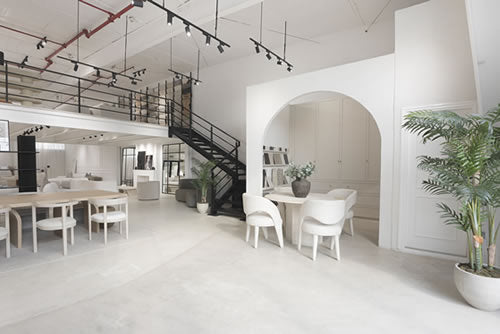
For a closer look at how these ideas come together in real furniture and finishes, visit our custom furniture store in Dubai.
Showroom 22nd St, Al Quoz, Al Quoz Industrial Area 3, Dubai, UAE
Phone +971 50 111 6506
Email info@thedesignhousedubai.com