



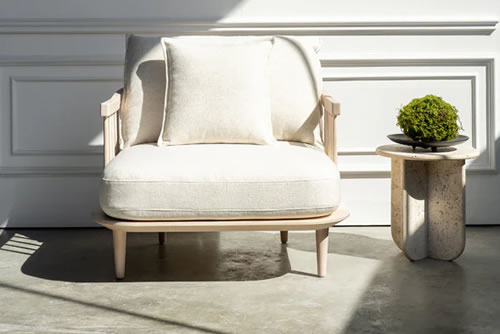
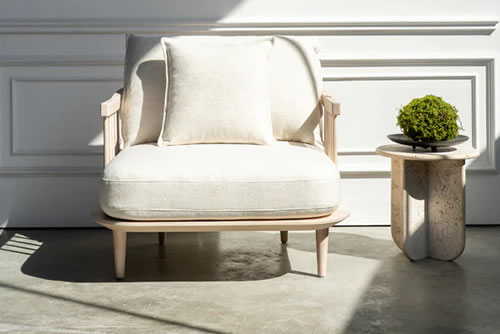
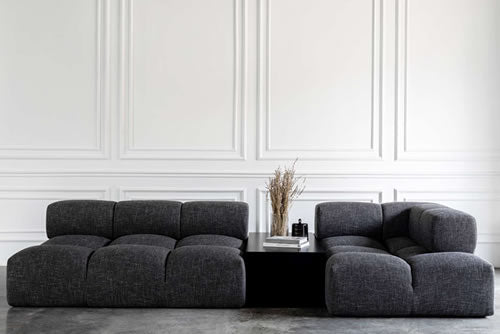
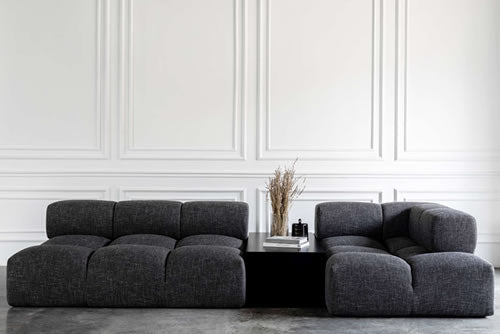
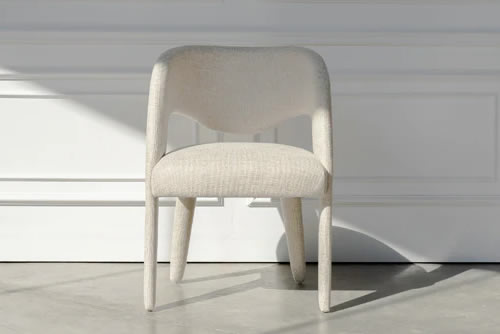
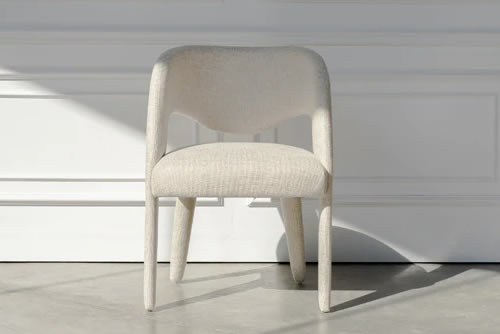


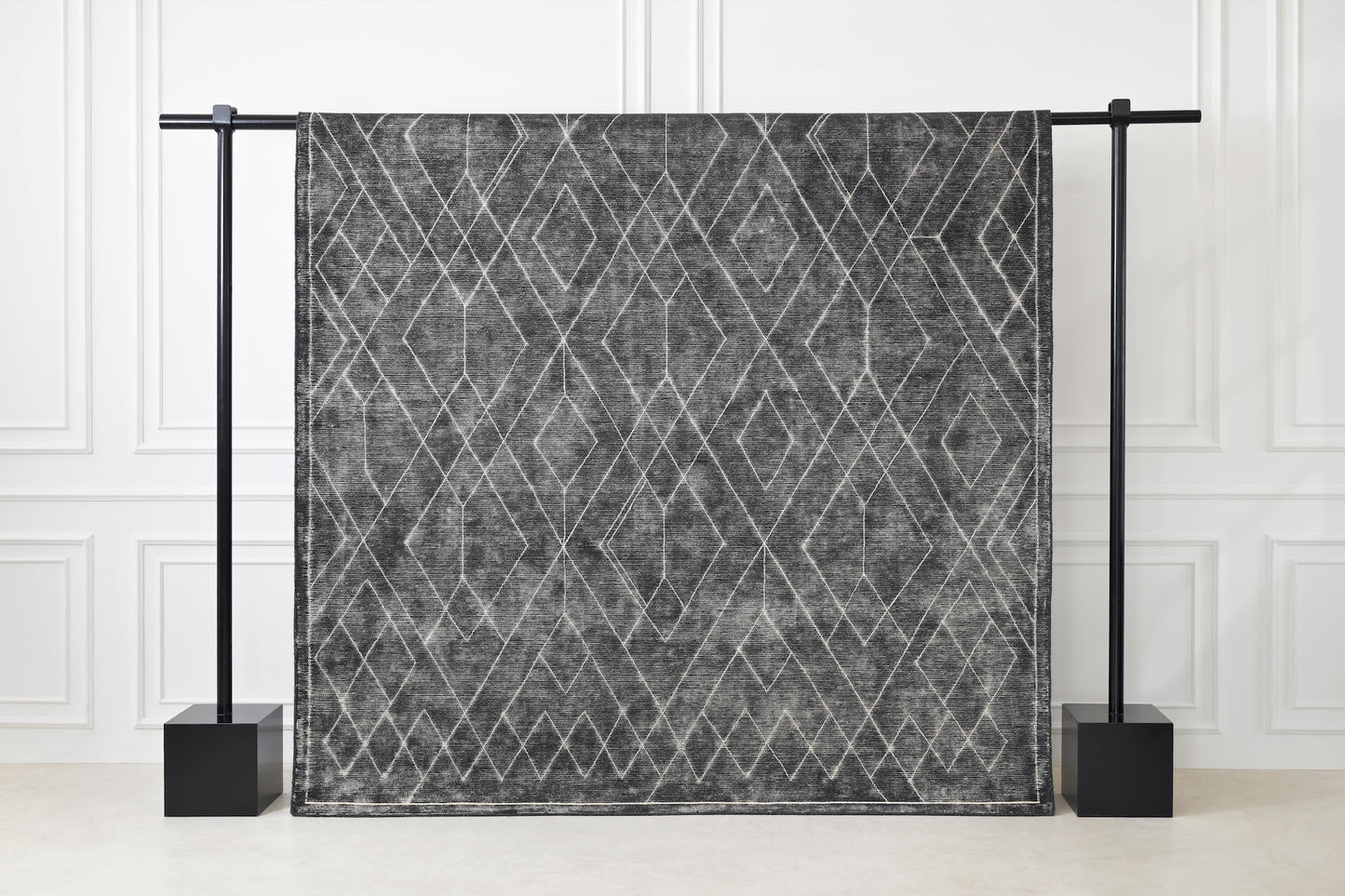





Don't start by picking furniture, start by figuring out your move-in timeline, then your budget split across rooms, then the one "anchor" piece each room actually needs. Style and accessories come last, not first. Most guides tell you to start with a sofa or a colour palette. In our experience furnishing hundreds of homes across Dubai, the people who end up happiest with their finished space are the ones who got the sequence right before they got the style right.
That's the part almost nobody talks about, and it's worth explaining properly, because it's the difference between a home that comes together smoothly over a few weeks and one where you're still buying stopgap pieces eight months after moving in.
The real question isn't "what furniture" it's "in what order"
Here's an opinion we'll stand behind: most "how to choose furniture" advice treats it as a single decision made all at once, walk into a store, pick things you like, done. That works fine for a single room. It falls apart the moment you're furnishing an entire home, because every choice you make early on either supports or undermines the choices that come after it.
We see this constantly with clients moving into new villas and apartments across Dubai: they buy a sofa they love in month one, then spend months two through six discovering it doesn't work with anything else because it was chosen in isolation, before the rest of the plan existed. The fix isn't "choose more carefully" it's choosing in the right order.
Step 1: Know your move-in timeline before you shop
This is the step people skip, and in Dubai specifically, it's the one that causes the most regret. If any part of your furniture plan includes made-to-order or bespoke pieces, lead times typically run 6–8 weeks from confirmation to delivery, sometimes longer depending on fabric and complexity. If you don't factor that in until moving day, you're left either living with empty rooms for two months or panic-buying stock pieces you didn't actually want.
The fix is simple: work backward from your handover or lease start date. If you know you're moving in eight weeks, that's exactly when custom orders should be placed, not when the boxes are already at the door.
Step 2: Define function before style, room by room
Before choosing what anything looks like, decide what each room actually needs to do. This sounds obvious, but it's the step that prevents the most expensive mistakes. A dining table chosen for how it looks in a showroom, without first deciding whether you need seating for 4 or 10, is a table you'll likely replace within two years.
Walk through your new home (or the floor plan, if you haven't moved yet) and answer, room by room:
- Who uses this space, and when?
- What's the one activity that has to work well here?
- Does anything need to double up, a home office that's also a guest room, a dining table that needs to seat more than usual a few times a year?
Only once that's answered does style become the relevant question.
Step 3: Choose the anchor piece first, everything else after
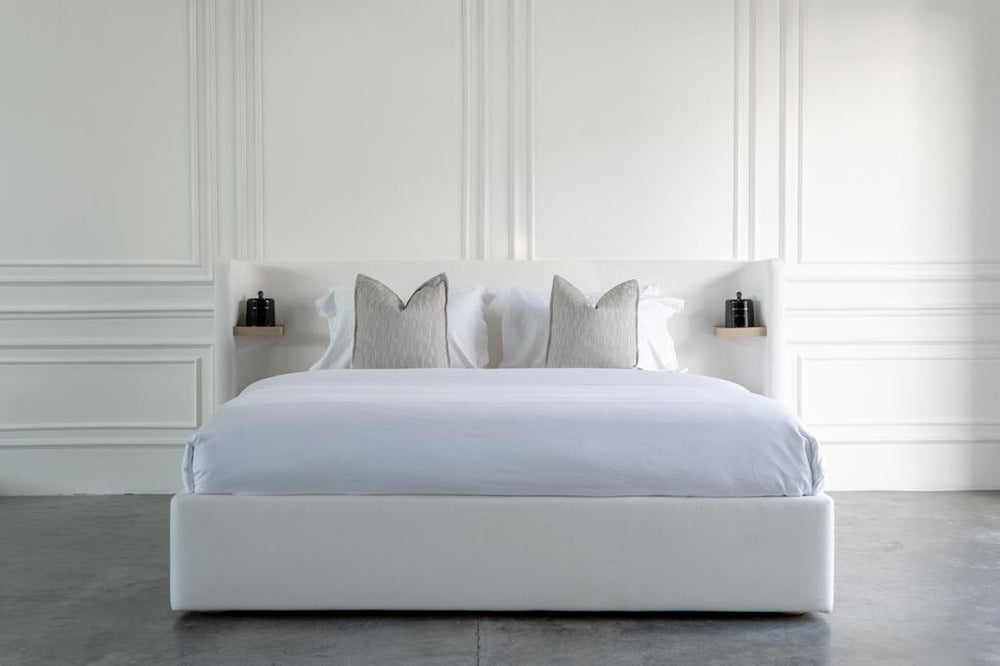
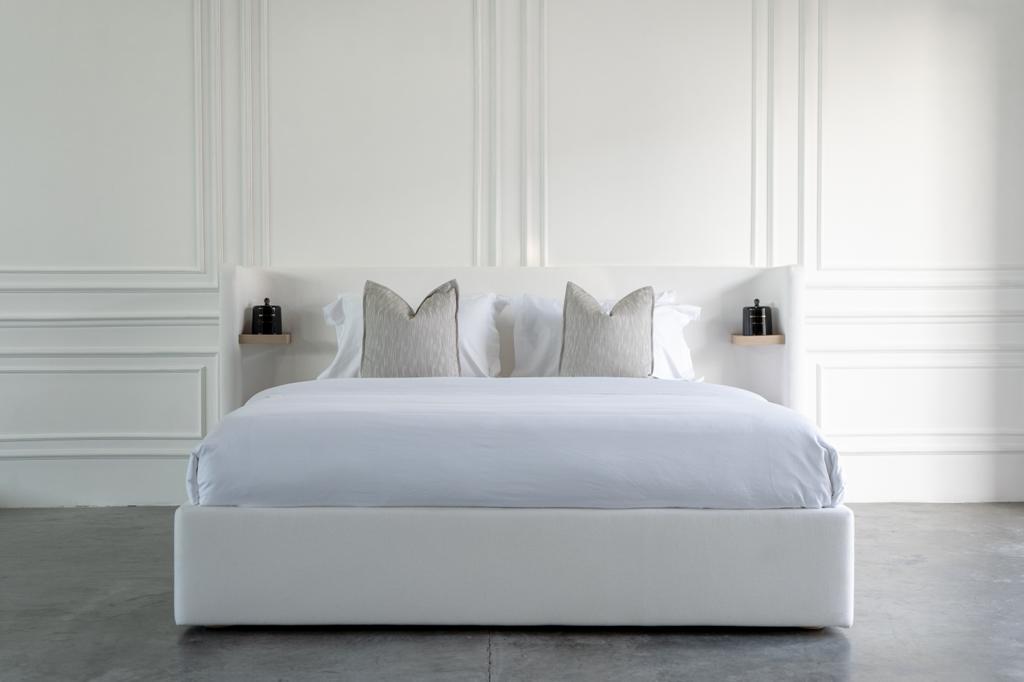
Every room has one piece that everything else gets built around, the sofa in a living room, the bed in a bedroom, the table in a dining room. Choose that piece first, and choose it with intention: right size for the room (not just what looked good online), a material and finish you're confident will last, and a style flexible enough that you're not locked into one narrow direction for every other decision.
Accent chairs, side tables, rugs, and styling pieces should come after the anchor piece is confirmed, not alongside it. This is where a lot of "eclectic" living rooms actually just look uncoordinated, the small pieces were chosen before the big one, so nothing was ever really designed around anything.
Step 4: Set a budget split, not just a total budget
A single furnishing budget for "the whole house" tends to get spent unevenly, usually too much on the first room you tackle and too little on the last. A more useful approach is deciding roughly what share of your total budget each room deserves before you start shopping.
As a general starting point we'd suggest: living room and master bedroom get the largest shares (they're used daily and set the tone for the home), dining gets a solid mid-range allocation, and secondary bedrooms, entryways, and accessories share what's left. It's not a strict formula, every home is different, but deciding this upfront stops you from overspending on the first room and running short by the last one.
Step 5: Factor in Dubai's climate and light before you commit
This is where local experience actually changes the advice. Floor-to-ceiling windows are standard in a lot of Dubai apartments and villas, and direct sun through glass fades certain fabrics and dries out some woods faster than most people expect, especially on west-facing rooms. A fabric or finish that would be a fine choice in a cooler, less sun-exposed climate isn't necessarily the right call here.
A few things worth checking before ordering anything for a sun-facing room: ask specifically about fade-resistant or performance fabric options, and be cautious with very dark solid wood finishes in rooms that get several hours of direct afternoon sun, lighter tones and treated finishes tend to hold up more consistently over time.
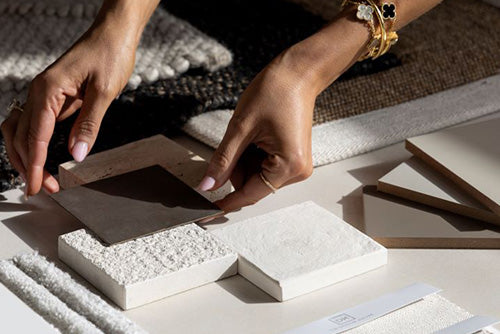
Step 6: Order fabric and material swatches before committing to anything large
Colours and textures read very differently under a showroom's lighting versus your own home's natural and artificial light. It's a small step that gets skipped constantly, and it's responsible for a good share of the "this isn't quite the colour I thought it would be" moments we hear about after delivery. Before signing off on a sofa, bed, or dining set in a specific fabric, get the actual swatch into your home first.
Common mistakes we see when people furnish a new home
Buying room by room in isolation, without a whole-home plan, leading to a house that looks like several unrelated projects stitched together
Underestimating lead times for anything custom, then scrambling near move-in
Choosing furniture size based on how a room "feels" rather than actual measurements a sofa that looked fine in a showroom can dominate a smaller room entirely
Spending the full budget on the first room tackled, leaving later rooms underfurnished
Ignoring how much natural light a room gets before choosing fabric and wood finishes
Why we're confident giving this advice
We've been furnishing homes across Dubai since 2019, when Sharon O'Keeffe founded The Design House with the idea of pairing European design sensibility with the craftsmanship available here in the UAE. Everything we make is built in our own workshop in Al Quoz, which means we've had a front-row seat to what actually goes wrong when people furnish a new home, not just what looks good in a catalogue. We also work on full home-staging and furnishing projects for developers and investors, which is where a lot of this sequencing advice comes from directly: staging an entire property on a fixed timeline forces you to solve exactly the ordering, budgeting, and lead-time problems described above, every single time.
If you'd rather walk through this with someone than plan it all yourself, that's exactly what our How to Work With Us options are for — whether that's a showroom consultation, a bespoke design session, or a full home staging and furnishing project for a new property.
FAQs
What furniture should I buy first for a new home?
The anchor piece in your most-used room, usually the living room sofa or the bed in your bedroom, before anything smaller or more decorative. Everything else works better when it's chosen around a confirmed anchor piece rather than alongside it.
How much should I budget for furnishing a new home?
It depends heavily on the size of the home and whether you're choosing custom or ready-made pieces, but a useful exercise is deciding your budget split across rooms before you start shopping, rather than setting one total figure and spending it unevenly.
Should I buy furniture before or after moving in?
Ideally, start the process before moving day, especially for any custom or made-to-order pieces, which typically need 6–8 weeks of lead time. Waiting until after you've moved in often means living with empty or mismatched rooms in the meantime.
Is it better to furnish one room at a time or the whole home at once?
A hybrid approach works best for most people: plan the whole home's budget and sequencing upfront, but execute it in phases, starting with the rooms you use daily.
How do I know what size furniture will actually fit my new home?
Measure the room itself, not just "how it looks" in your head, width, depth, and doorway or lift access for delivery. This matters even more for larger pieces like sectionals and dining tables, where a few centimetres can be the difference between a piece fitting comfortably and overwhelming the room.
Does Dubai's climate actually affect furniture choices?
Yes, more than people expect. Strong sun exposure through floor-to-ceiling windows can fade fabrics and dry out certain wood finishes faster than in less sun-intensive climates, so it's worth factoring room orientation into fabric and finish decisions.
Can I mix furniture styles in the same home?
Yes, as long as there's some consistent thread running through it, a shared wood tone, a consistent colour family, or a similar overall level of formality. Mixing styles without any connecting element is usually what makes a home feel disjointed rather than eclectic.
Should I buy ready-made or custom furniture for a new home? Ready-made suits fast timelines and rooms where standard sizing genuinely fits. Custom is worth it when a room's dimensions, a specific storage need, or a particular style vision can't be met off the shelf, which is common in Dubai villas with less standardised layouts.